

SWISS was one of the first customers for the Airbus A220-300 back in 2017, and the type has since become a workhorse of its European short-haul network. With wider seats, larger windows and a quieter cabin than the A320s and 737s it often replaces, the A220 promised a genuine step forward for intra-European flying. But how does Swiss A220-300 business class hold up on a two-hour hop from Sofia to Zurich, particularly when the hard product hasn’t changed since day one? I flew LX1391 to find out, returning from a work trip with a tight connection waiting at the other end.
In this review
Flight Details
Flight No: LX1391
From/To: Sofia (SOF) to Zurich (ZRH)
Departure time: 15:00
Ticket Class: Business
Flight time: 2 hours 20 minutes
Frequent Flyer Points: 795
Status Points: 795
Aircraft: HB-JCD (“Winterthur”)
Aircraft type: Airbus A220-300
Number of classes: 2
Number of seats in flying class: 12
Seat: 2C
Position: Window, two-seat side
Airport Experience
Sofia Airport was busier than I’d expected for a Monday lunchtime, but the Lufthansa Group check-in desks were quiet and bag drop took no time at all. Security was a different story. There’s no fast-track lane at Sofia, so business class tickets and frequent flyer status count for nothing here. The single-queue system feeding multiple screening lanes meant I was through in 15 minutes.
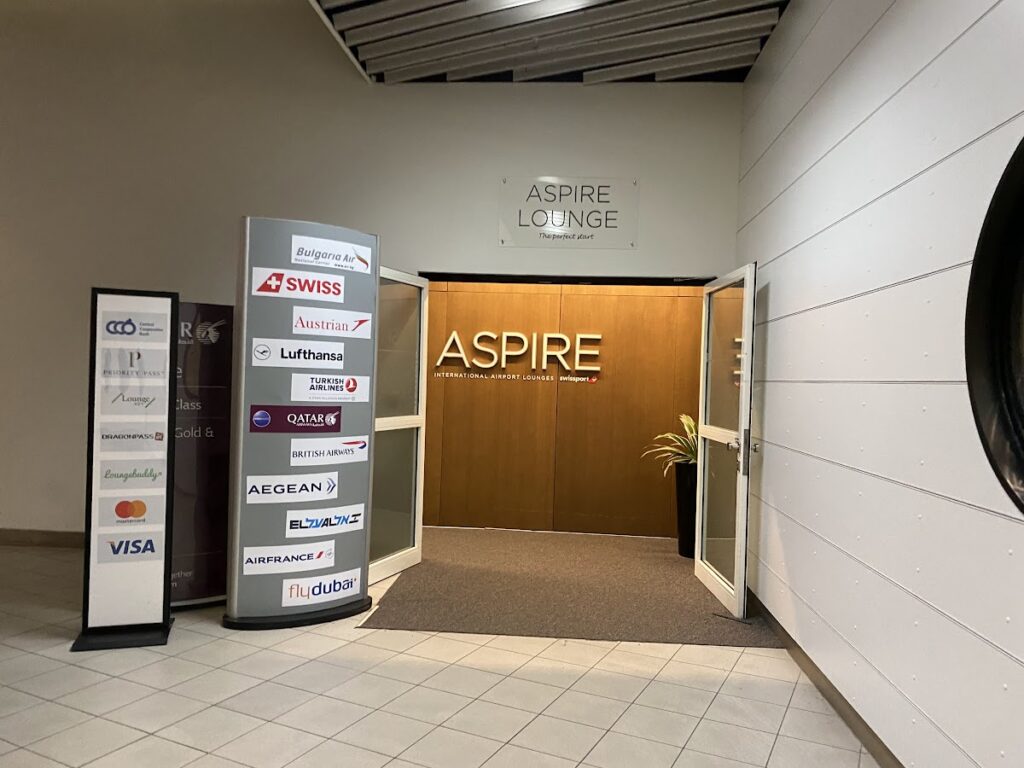
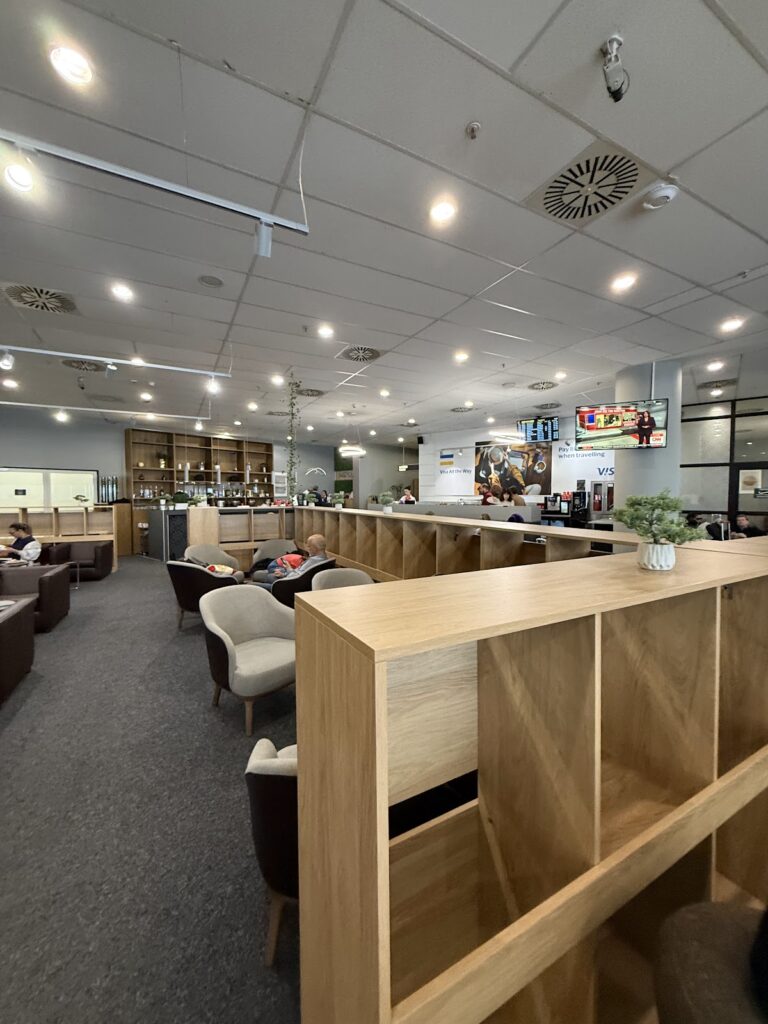
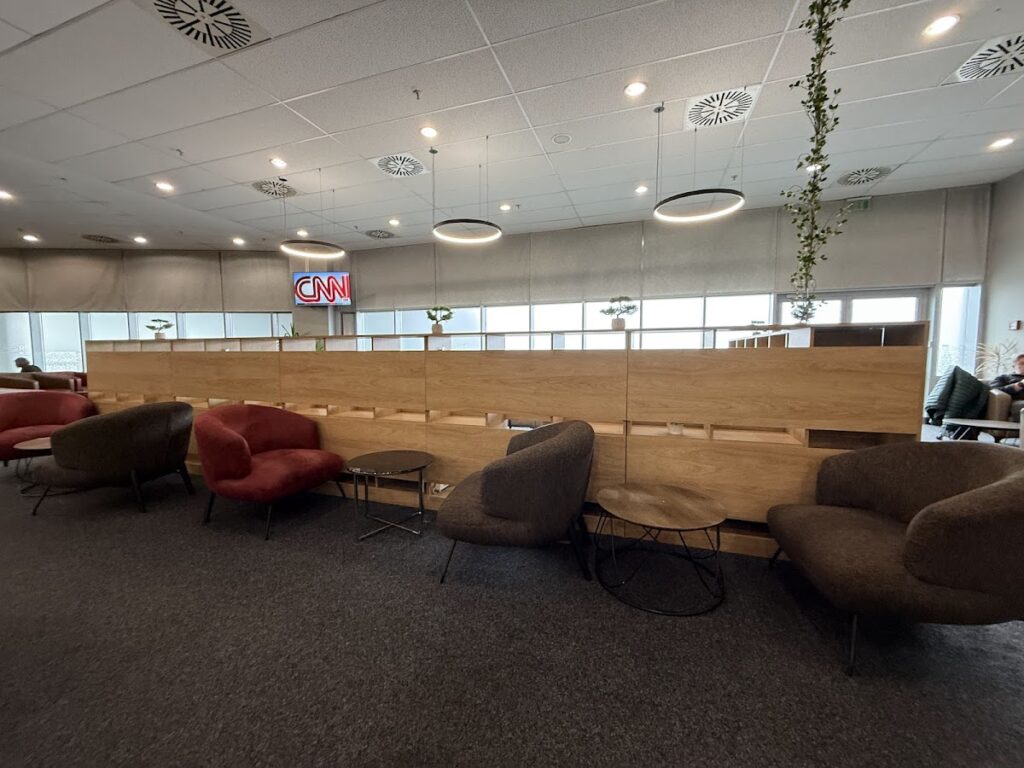
The Aspire Lounge airside was fairly quiet when I arrived. I found a window seat without any fuss and settled in. Food and drink options were minimal, even by contract lounge standards – a few basic bites and a limited drinks selection. I’d been hoping the flight itself would deliver something more substantial, because the lounge certainly wasn’t going to. For anyone connecting through Sofia on a Lufthansa Group carrier, it’s worth buying something in the terminal if you want to board with a full stomach; plenty of options have opened in recent years.
Boarding & Welcome
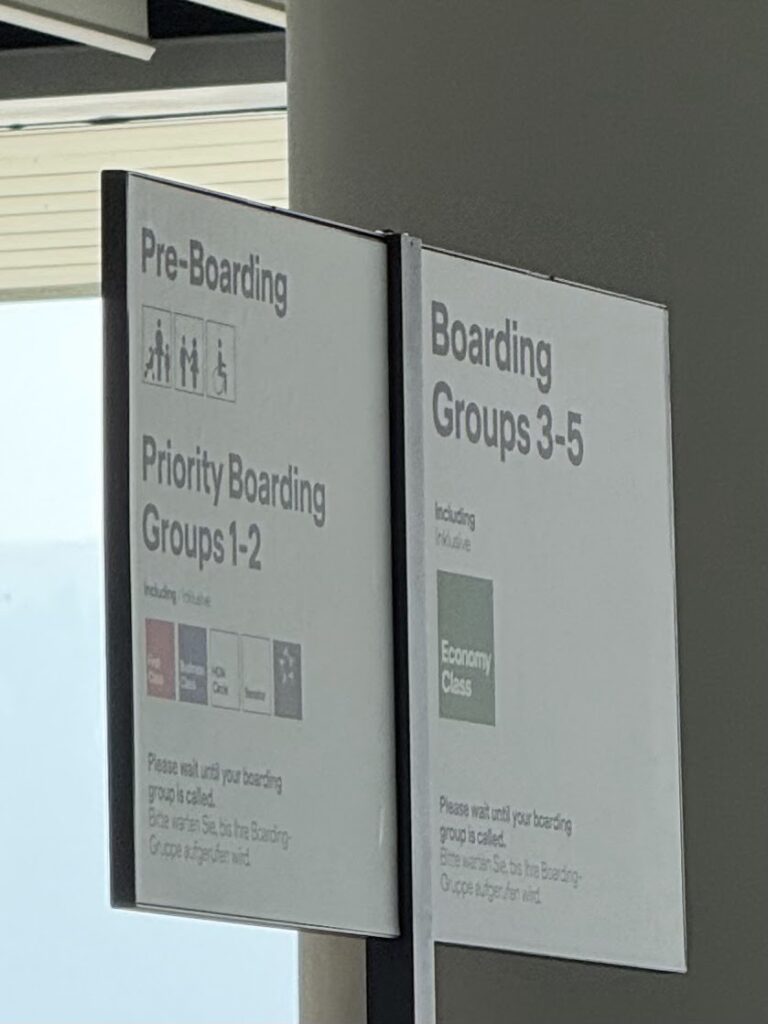
Boarding began 30 minutes before the advertised departure, and the gate staff ran a tight operation. Boarding groups were strictly enforced, with passengers from group four who tried their luck told directly to “step aside” and, in one memorable exchange, to “please go away.” It sounds blunt, but honestly it was welcome.
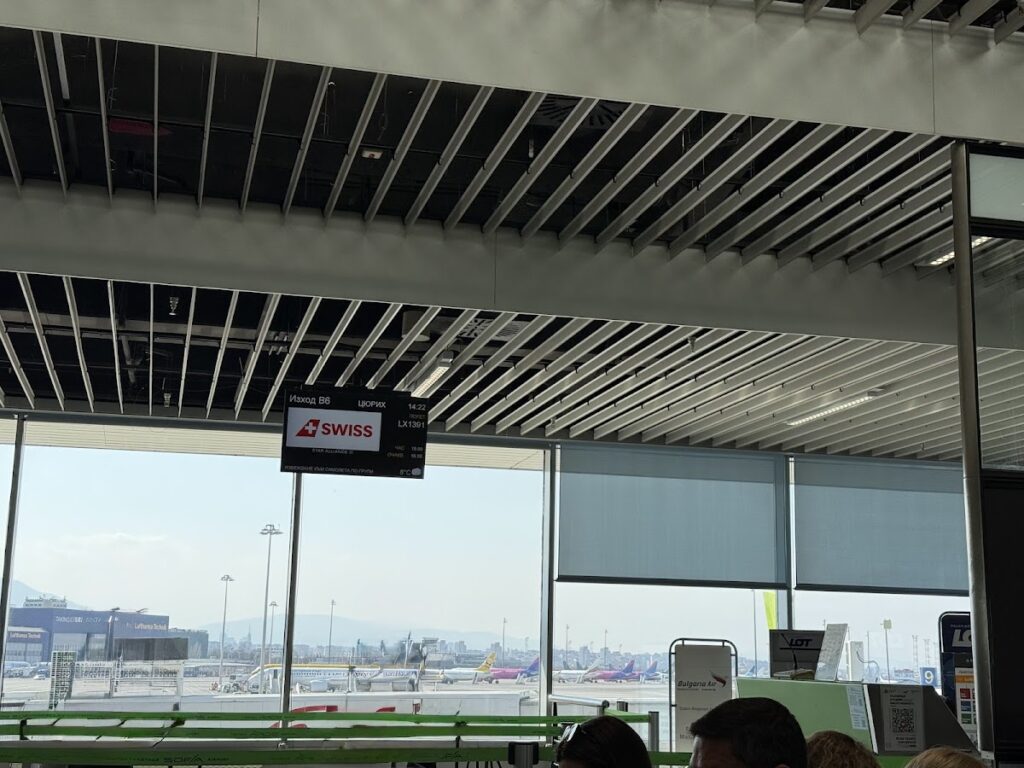
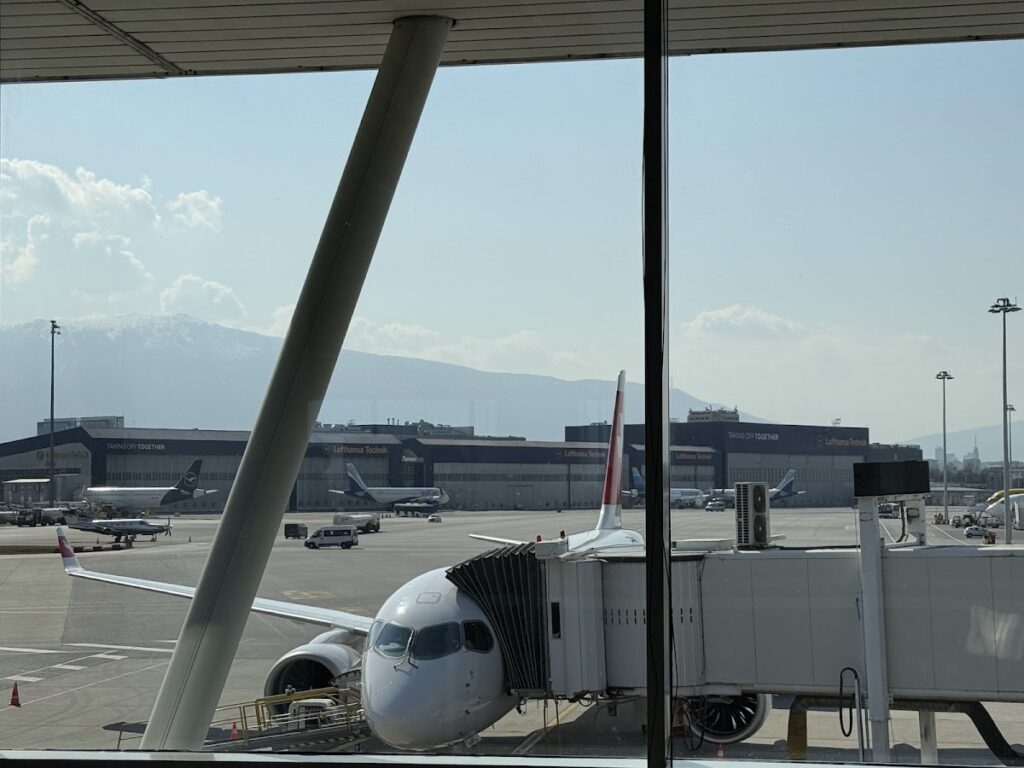
Anyone who flies regularly in Europe knows the ritual of half the gate area surging forward the moment boarding is called, regardless of group number. The Sofia team weren’t having it, and the result was orderly, efficient boarding. Swiss A220-300 business class passengers boarded in group 2, and I was greeted warmly at the door before making the short walk to row two. A small bottle of water and a sanitising wipe were waiting for me on the seat.
Seat
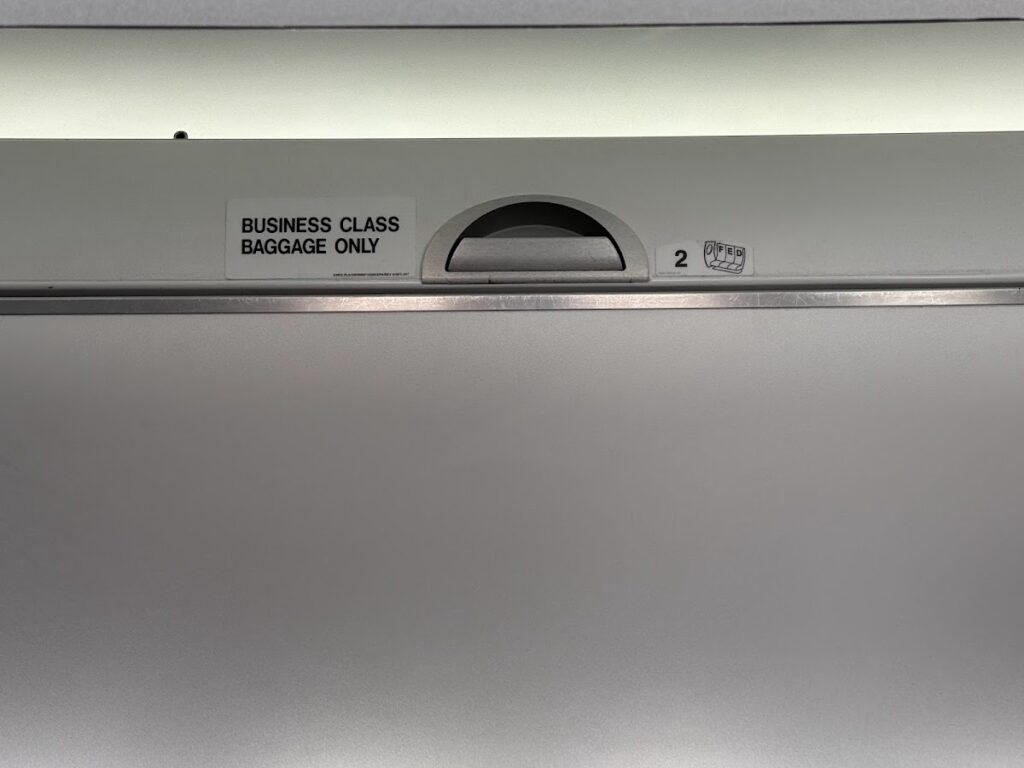
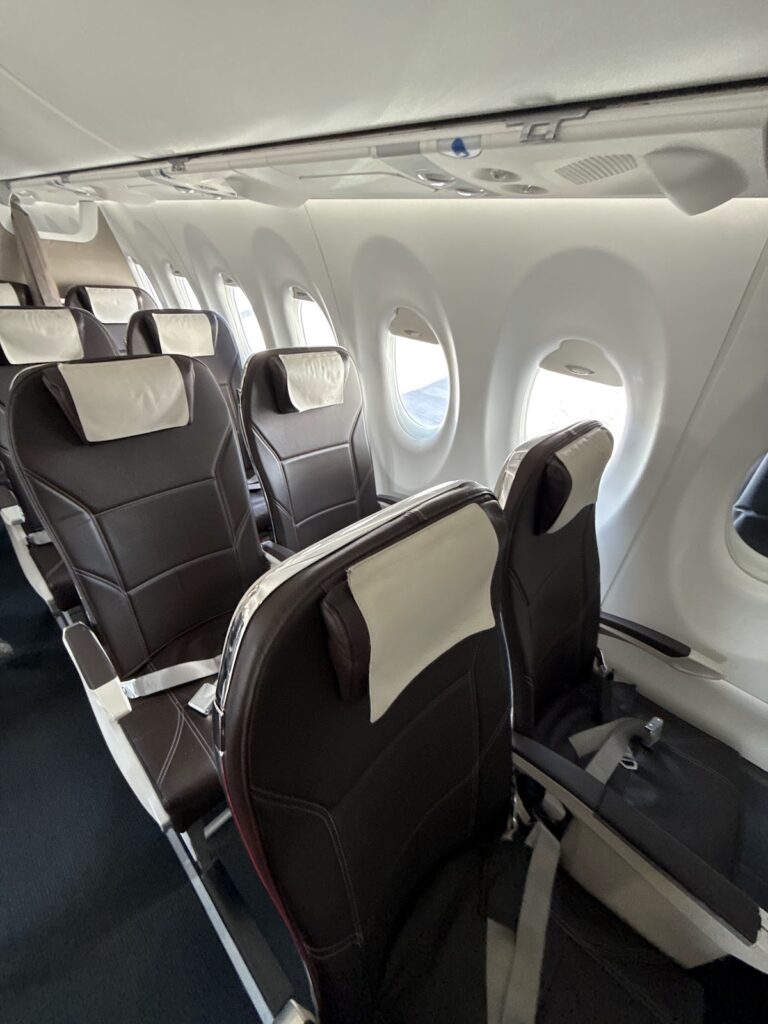
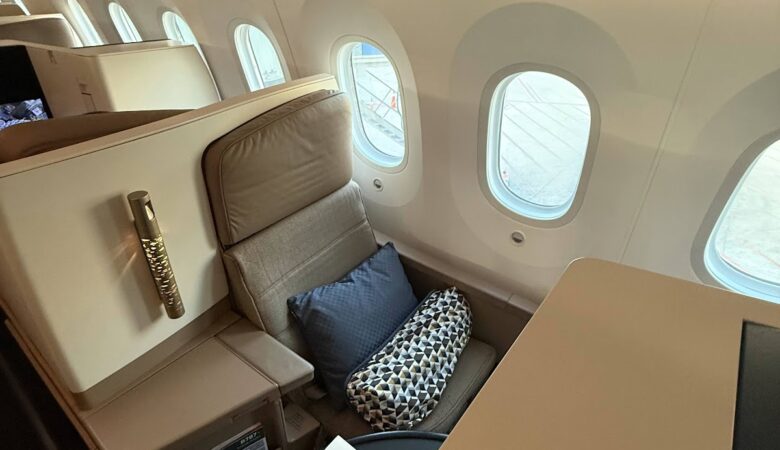
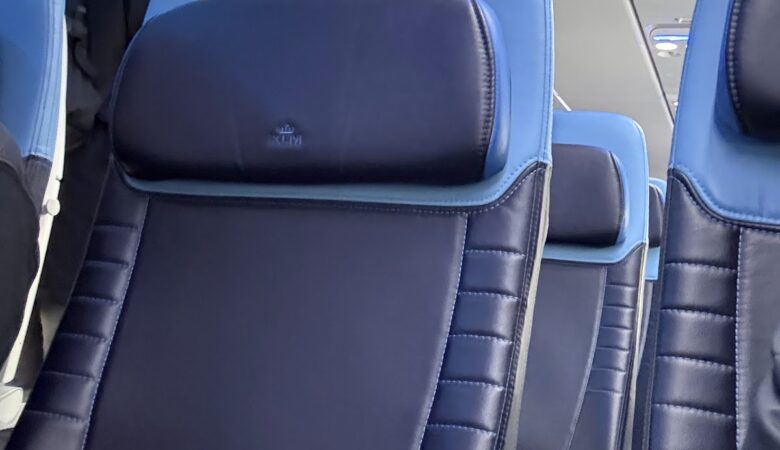
SWISS short-haul business class on the A220-300 doesn’t involve a separate seat product. You get the same economy seat, but with the adjacent seat blocked. The A220 cabin is laid out 2-3 across, so on the two-seat side of the aircraft you effectively get a pair to yourself, while on the three-seat side the middle seat is left empty. At roughly 19 inches wide, the seats are noticeably broader than what you’ll find on most A320 or 737 configurations, and the extra width can make a difference on a two-hour sector. Storage is limited to the seat pocket, the overhead bin and whatever you can tuck under the seat in front. While we’re talking about the overhead bins, these were clearly marked as reserved for business class passengers only.
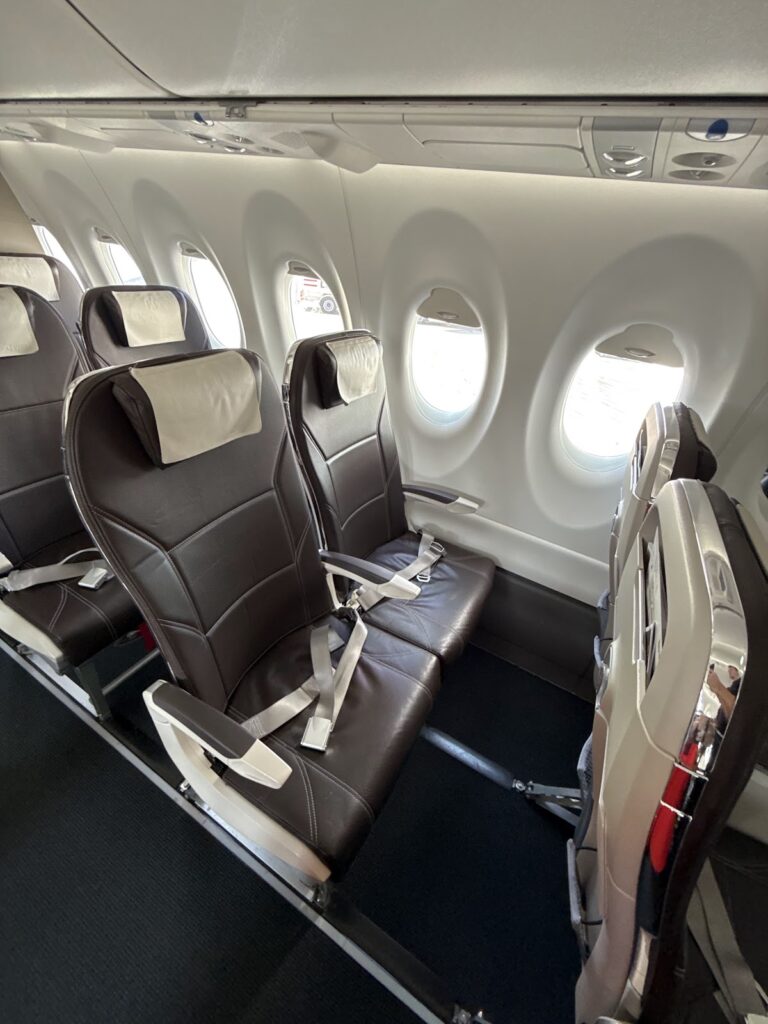
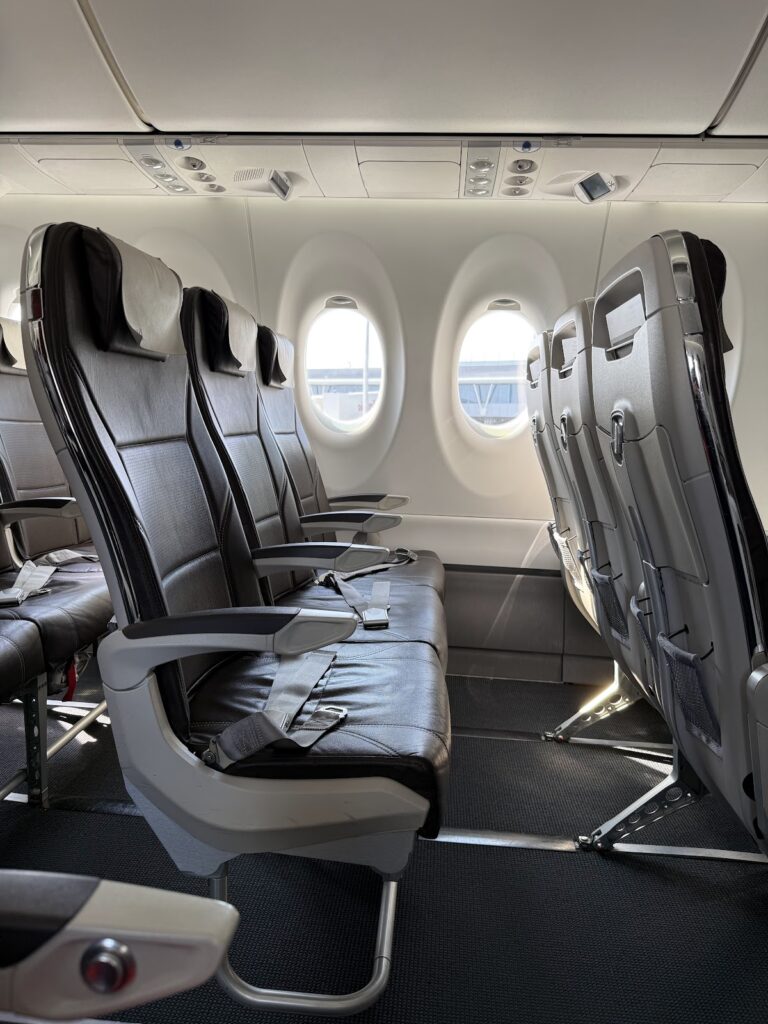
There’s no at-seat power of any kind – no USB, no AC outlet. Still, the extra-large windows give you something to appreciate while you’re sitting there.
That said, this aircraft is now eight years old, making it one of the first A220s to enter commercial service. When SWISS launched the type in 2017, the wider cabin and modern feel were real differentiators. Eight years on, the absence of charging and connectivity feels like a gap that’s only getting harder to overlook. The seat itself is comfortable enough for a short flight, but this is a product coasting on the aircraft’s inherent qualities rather than any investment in the business class cabin.
Which is the best seat on SWISS A220-300 business class?
If you’re booking SWISS A220-300 business class, pick the two-seat side of the cabin. Seats in the A and C positions give you a blocked adjacent seat with no one on the other side, meaning you’ve got a proper buffer of personal space. On the three-seat side, the middle seat is blocked but you’ll still have a neighbour in the window or aisle seat. I sat in 2C and had a clear view out the window with nobody beside me. Rows two and three strike a good balance – close enough to the front for quick boarding and deplaning, but far enough back to avoid the galley traffic. I find row 1 can feel a bit exposed depending on curtain placement, and the last business row borders row one of economy, where airlines will often put families with young children. Avoid row one because it lacks under-seat storage and the legroom to stretch out. I’d pick row 2, on the two-seat side, every time.
See the seating plan on AeroLOPA.
Onboard Experience
The A220-300 cabin is comfortable and quiet – windows are noticeably larger than on the A320 family, letting in plenty of natural light, and the Pratt and Whitney engines keep the noise level low enough that you can hold a conversation without raising your voice. SWISS has kept the interior clean and well-maintained.
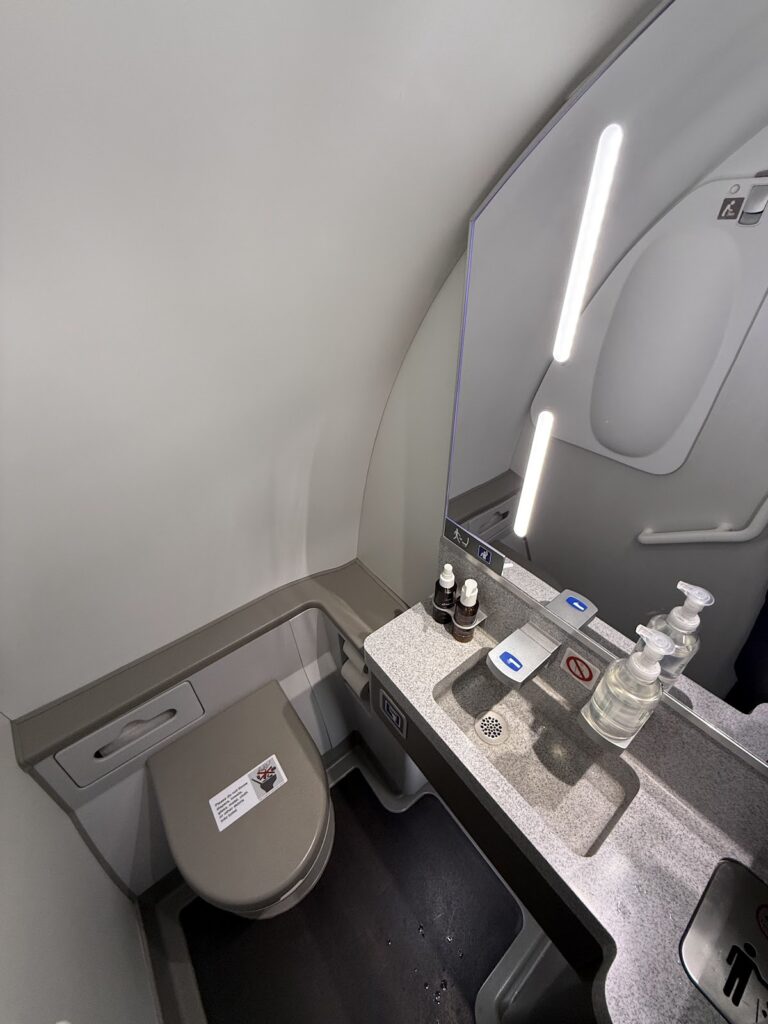
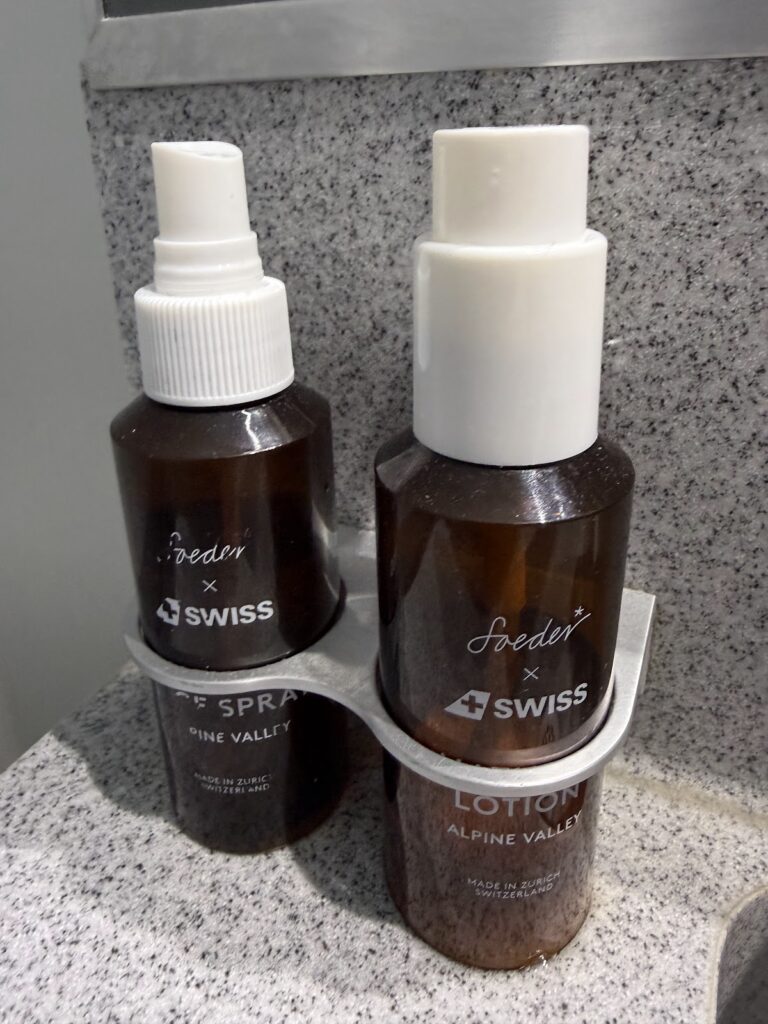
Service throughout was attentive and efficient. The single cabin crew member covering business class struck the right balance – present when needed, not hovering. There’s one lavatory at the front of the aircraft for the exclusive use of business class passengers and the flight deck, so no queue and no foot traffic from economy. SWISS deserves credit for maintaining consistency in its soft product; a simple formula done well.
Food & Drink
SWISS short-haul business class catering follows a familiar template: a cold plated meal with bread, cheese and dessert, backed by a full drinks service. On this sector, the main plate was ham on a bed of creamy potato salad and lettuce, topped with nuts. It was well-prepared and tasty enough, but small. Alongside it came a cheese plate with one slice of hard and one of soft, which paired nicely with a glass of Douro red. The bread was a let-down – crumbly and clearly reheated one too many times. Dessert was a small lemon mousse with zest and mixed nuts, which was light and well-executed.
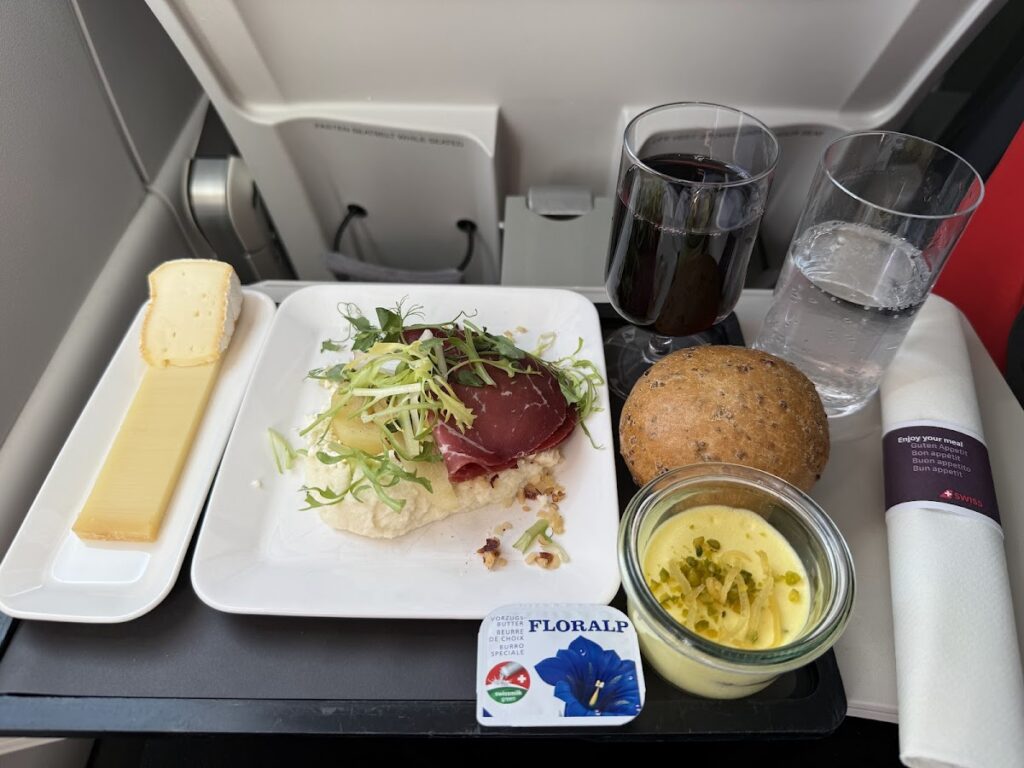
The crew had wine, beer, spirits, soft drinks and hot drinks on their trolley. They also regularly offered refills without being asked. Quality across the tray was good, but the portion size makes it very difficult to call this a meal. It’s a well-assembled snack tray, and on Swiss A220-300 business class you should plan accordingly. I’ve also noticed that across successive SWISS sectors, the bread and cheese combination tends to repeat, which gets a bit monotonous if you’re flying the airline regularly.
In-flight Entertainment
There isn’t much to say here, and that’s the problem. The SWISS A220-300 has no Wi-Fi and no at-seat charging. Passengers can access e-journals and magazines through the SWISS app, but the content needs to be downloaded before departure. Without Wi-Fi onboard, anything you didn’t think to save in advance simply isn’t available once the doors close. On the plus side, the cabin is quiet enough that a downloaded podcast or a book can be enjoyed in relative peace. The Pratt and Whitney engines make this one of the quieter narrow-body cabins. If your phone or tablet runs out of battery mid-flight, though, you’re left with nothing but the small overhead panel screens displaying a flight progress map. There are no seatback screens either, though that’s standard for European short-haul and hardly worth dwelling on.
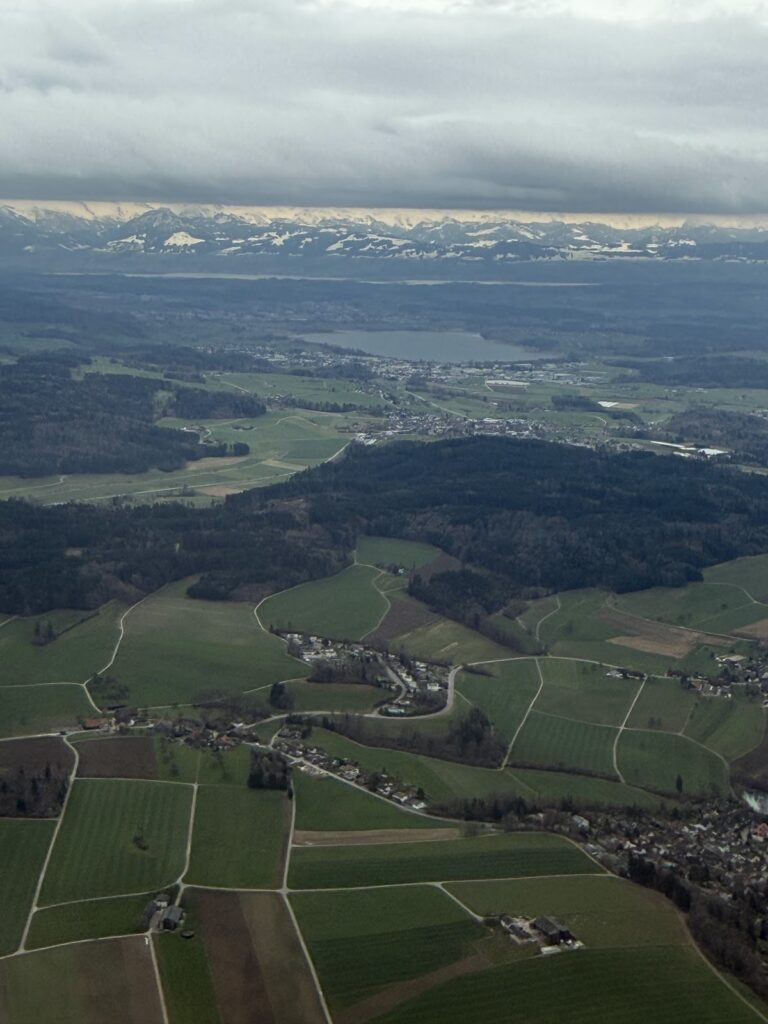
For a two-hour flight, all of this is manageable if you’ve planned ahead. Still, it’s 2026, and the absence of both Wi-Fi and power is increasingly difficult to defend when competitors on similar European routes have retrofitted one or both – some even with Starlink. The A220 launched with a modern cabin feel, but the inflight technology has been frozen in time since 2017. SWISS hasn’t announced any retrofit plans for Wi-Fi or charging on the A220 fleet, which means this gap will only widen. If you need to work or stay connected, do it before you board.
Arrival
We’d pushed back 10 minutes late from Sofia but arrived four minutes ahead of schedule. I was relieved – my connection at Zurich was tight, and every minute counted. One thing SWISS does exceptionally well is keeping connecting passengers informed. Onward connection details were displayed on the overhead screens during descent, and the crew also made personalised announcements with gate information for tight connections. It’s a small detail – the kind you’ll remember fondly when you’re sprinting through the terminal.
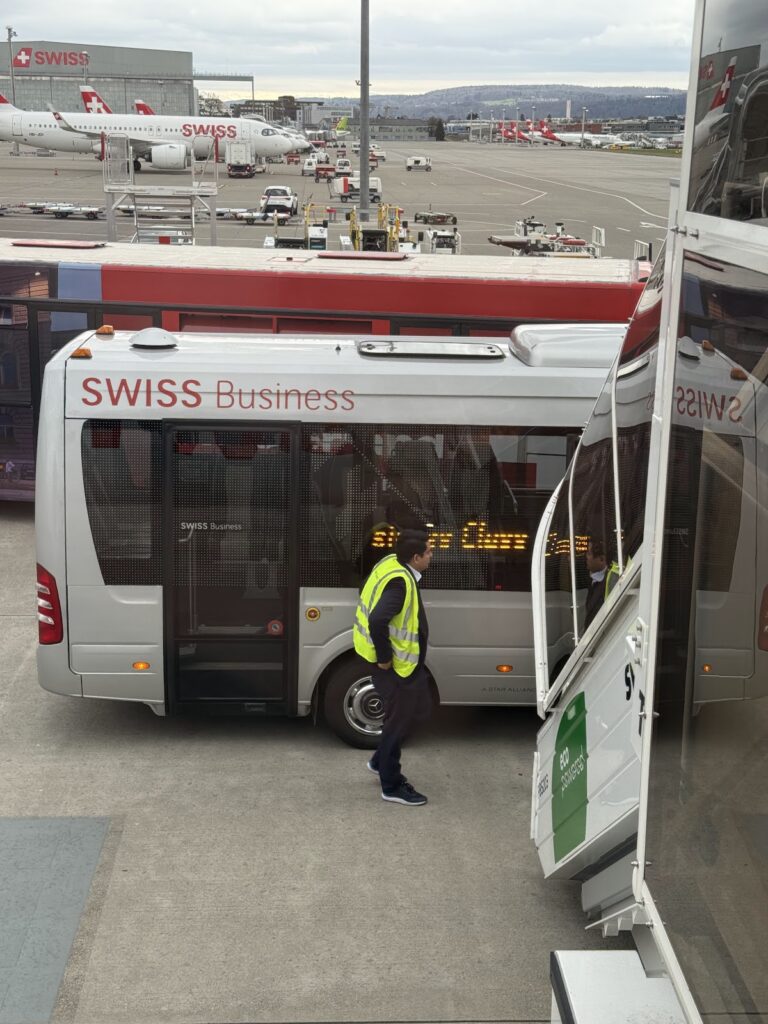
Much of the A220 fleet at Zurich operates from remote stands, so it was a bus gate rather than a jet bridge. That said, before the main buses arrived, a dedicated business class minibus collected all the premium cabin passengers for priority transfer to the terminal. It’s a helpful addition that offsets the inconvenience of not having a gate, and on Swiss A220-300 business class it meant I was inside the terminal and moving towards my connection quicker than I expected. Zurich itself is an excellent airport to transit through – well-signed, efficient and with plenty of airside facilities if you do have time to spare. I didn’t, on this occasion, but I made my connection comfortably.
BG1 Verdict
SWISS delivers a solid, consistent short-haul business class product on the A220-300. The crew are professional, the food is well-prepared if undersized, and the aircraft itself remains one of the more comfortable narrow-bodies flying in Europe. But consistency isn’t the same as competitiveness, and the total absence of Wi-Fi and at-seat power is becoming a real weakness. The soft product does a lot of heavy lifting, and SWISS can’t rely on that indefinitely. This is a good option for short European hops where you value a quiet cabin, wider seat and reliable service. It’s less convincing for anyone who needs to stay connected or get work done in the air. I’d fly it again on a short connecting sector like this without hesitation, but I’d also eat before boarding and charge everything to 100%.
BG1 Tip
On SWISS A220-300 business class, always select a seat on the two-seat side of the cabin (A or C positions). You’ll get the blocked adjacent seat entirely to yourself, with no neighbour on the other side. On the three-seat block, the middle is empty but you’re still sitting next to someone.
Why not follow us on TikTok and Instagram.
Leave a Reply