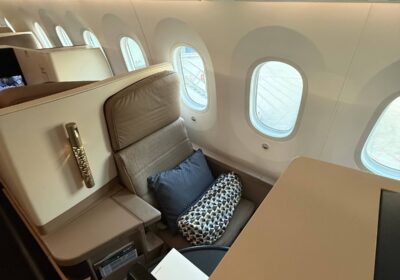
We’d been watching the Melbourne rumours for a few years, so when British Airways finally confirmed its most significant long-haul expansion in years, our first reaction was: “interesting”. Our second was suspicion. British Airways’ new routes in 2027 tell a more complicated story than the press release suggests; one where operational pressure and a chance to sell seats are harder to separate than BA might like you to think.
The Announcement at Face Value
BA’s expansion looks, on paper, impressive. A return to Melbourne via Kuala Lumpur on the 787-9, daily from January 2027, marking the first time the airline has served Australia’s second city in two decades. Colombo three times weekly from Gatwick through winter. Cape Town getting more seats. Tokyo Haneda doubling. Delhi up 50%. A near 10% increase in long-haul capacity is a real number; Melbourne in particular wasn’t sketched out last month.
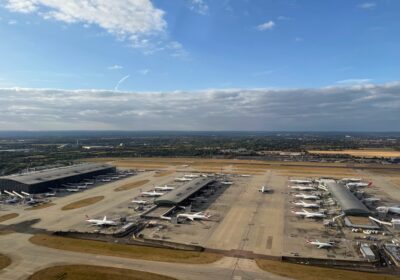
The instinct to applaud is understandable. But it’s worth asking: why now, and what’s sitting idle on the apron at Heathrow?
What’s Actually Driving This
Dubai has been one of BA’s most lucrative routes for years: high frequency, high yield, consistently full in both directions. Right now it’s cancelled until at least 1 June, as are Amman, Bahrain and Tel Aviv. Abu Dhabi’s already been pulled for the summer; Doha is reduced through May. That’s a significant chunk of profitable 787 routes simply not happening.
Airlines don’t park aircraft. The economics don’t allow it. When your Middle East network disappears for months, you redeploy capacity, and the long-haul leisure routes that have been building on the waitlist suddenly move forward. Add in more Dreamliners kept flying as the Rolls-Royce engine fix programme progresses, plus new 787-10 deliveries arriving this year, and BA has both the aircraft and the incentive to push hard on routes that don’t depend on overflight rights through contested airspace.
British Airways 787-9 at Heathrow
There’s a competitive angle too. Emirates, Etihad and Qatar are all dealing with versions of the same problem. BA normally competes indirectly on routes to Australia and South Asia, where a layover in Dubai or Doha is often cheaper and sometimes faster; that competition has thinned considerably. For Melbourne specifically, BA’s one-stop via Kuala Lumpur becomes far more attractive when the Gulf carriers are disrupted. We don’t think that timing is a coincidence.
The Avios Angle on BA’s New Flying
This is where British Airways’ new routes in 2027 get properly interesting for frequent flyers. BA’s committing to 14 Avios reward seats per flight across all cabins: four in Club World, two in World Traveller Plus, eight in World Traveller. On a route like UK to Australia, where availability has historically been nonexistent, that’s worth watching closely.
Based on current BA reward pricing bands, Club World redemptions to Melbourne should sit around 170k Avios. Colombo looks likely to come in around 100k in Club World. These aren’t bargain figures, but for long-haul redemptions with locked-in reward seats, that’s something BA hasn’t done in a while.
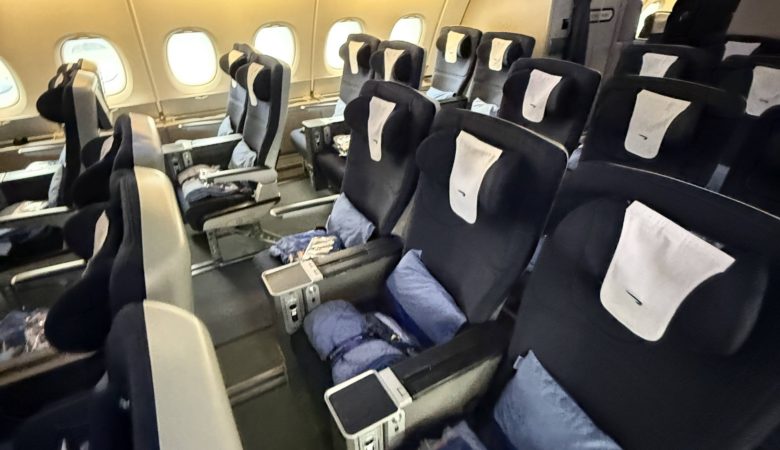
We should flag the Colombo caveat directly: it’s Gatwick-based, and until the 787-10s arrive, you’re stuck with the old yin-yang Club World seat rather than the newer Club Suite. For a flight of that length, that’s a real compromise. If the destination matters more than the hard product, the off-peak pricing is reasonable enough. If you care about your seat, hold out or look at positioning options.
For anyone with Dubai, Amman, Tel Aviv or Bahrain booked through to end of May, this is straightforward. If BA’s cancelled your specific flight, you’re entitled to a full refund. If it hasn’t been formally cancelled yet, you can request a date change or take a travel credit. Rebook options through BA’s partners include Air France, Lufthansa, Cathay Pacific, Oman Air and Royal Jordanian depending on the route. Check ba.com before calling; the self-service options work and they’re faster than the phone queue. Your Flight Was Cancelled: Know Your Rights
Read It Clearly
BA’s network expansion is real, and the Melbourne return has been a long time coming. But it’s also a response to a grounded Middle East network and idle aircraft that need somewhere to go. That doesn’t make the routes less worth booking; it just means the boldness is partly circumstantial.
BG1 Tip
The winners are Avios collectors with stockpiles and the flexibility to book quickly. The losers, for now, are anyone who had Dubai or Tel Aviv in their diary through June.
If Melbourne or Colombo interest you, don’t wait. Set reminders and be on ba.com the day booking opens, have your Avios balance ready, and book the reward seats before they’re splashed across every points blog. Early availability on new routes is always the best availability.
We’d been watching the Melbourne rumours for a few years, so when British Airways finally confirmed its most significant long-haul expansion in years, our first reaction was: “interesting”. Our second was suspicion. British Airways’ new routes in 2027 tell a more complicated story than the press release suggests; one where operational pressure and a chance to sell seats are harder to separate than BA might like you to think.
The Announcement at Face Value
BA’s expansion looks, on paper, impressive. A return to Melbourne via Kuala Lumpur on the 787-9, daily from January 2027, marking the first time the airline has served Australia’s second city in two decades. Colombo three times weekly from Gatwick through winter. Cape Town getting more seats. Tokyo Haneda doubling. Delhi up 50%. A near 10% increase in long-haul capacity is a real number; Melbourne in particular wasn’t sketched out last month.
The instinct to applaud is understandable. But it’s worth asking: why now, and what’s sitting idle on the apron at Heathrow?
What’s Actually Driving This
Dubai has been one of BA’s most lucrative routes for years: high frequency, high yield, consistently full in both directions. Right now it’s cancelled until at least 1 June, as are Amman, Bahrain and Tel Aviv. Abu Dhabi’s already been pulled for the summer; Doha is reduced through May. That’s a significant chunk of profitable 787 routes simply not happening.
Airlines don’t park aircraft. The economics don’t allow it. When your Middle East network disappears for months, you redeploy capacity, and the long-haul leisure routes that have been building on the waitlist suddenly move forward. Add in more Dreamliners kept flying as the Rolls-Royce engine fix programme progresses, plus new 787-10 deliveries arriving this year, and BA has both the aircraft and the incentive to push hard on routes that don’t depend on overflight rights through contested airspace.
There’s a competitive angle too. Emirates, Etihad and Qatar are all dealing with versions of the same problem. BA normally competes indirectly on routes to Australia and South Asia, where a layover in Dubai or Doha is often cheaper and sometimes faster; that competition has thinned considerably. For Melbourne specifically, BA’s one-stop via Kuala Lumpur becomes far more attractive when the Gulf carriers are disrupted. We don’t think that timing is a coincidence.
The Avios Angle on BA’s New Flying
This is where British Airways’ new routes in 2027 get properly interesting for frequent flyers. BA’s committing to 14 Avios reward seats per flight across all cabins: four in Club World, two in World Traveller Plus, eight in World Traveller. On a route like UK to Australia, where availability has historically been nonexistent, that’s worth watching closely.
Based on current BA reward pricing bands, Club World redemptions to Melbourne should sit around 170k Avios. Colombo looks likely to come in around 100k in Club World. These aren’t bargain figures, but for long-haul redemptions with locked-in reward seats, that’s something BA hasn’t done in a while.
We should flag the Colombo caveat directly: it’s Gatwick-based, and until the 787-10s arrive, you’re stuck with the old yin-yang Club World seat rather than the newer Club Suite. For a flight of that length, that’s a real compromise. If the destination matters more than the hard product, the off-peak pricing is reasonable enough. If you care about your seat, hold out or look at positioning options.
Cape Town and Melbourne reward seats will go fast. Set a reminder and check ba.com directly. The Complete Guide to Booking BA Avios Reward Seats
If Your Middle East Flights Are Affected
For anyone with Dubai, Amman, Tel Aviv or Bahrain booked through to end of May, this is straightforward. If BA’s cancelled your specific flight, you’re entitled to a full refund. If it hasn’t been formally cancelled yet, you can request a date change or take a travel credit. Rebook options through BA’s partners include Air France, Lufthansa, Cathay Pacific, Oman Air and Royal Jordanian depending on the route. Check ba.com before calling; the self-service options work and they’re faster than the phone queue. Your Flight Was Cancelled: Know Your Rights
Read It Clearly
BA’s network expansion is real, and the Melbourne return has been a long time coming. But it’s also a response to a grounded Middle East network and idle aircraft that need somewhere to go. That doesn’t make the routes less worth booking; it just means the boldness is partly circumstantial.
BG1 Tip
The winners are Avios collectors with stockpiles and the flexibility to book quickly. The losers, for now, are anyone who had Dubai or Tel Aviv in their diary through June.
If Melbourne or Colombo interest you, don’t wait. Set reminders and be on ba.com the day booking opens, have your Avios balance ready, and book the reward seats before they’re splashed across every points blog. Early availability on new routes is always the best availability.
Why not follow us on TikTok and Instagram.
Related Articles
SAS Status Match: Why BA Silver Members Should Pay the €79
Why Direct Flights Are a Luxury Most Travellers Underestimate
Do You Own the Overhead Bin Above Your Seat in Business Class?