If you’ve been watching your inbox nervously for cancellation emails, you’re not alone. Lufthansa has axed 20,000 flights. Norse Atlantic has grounded its fleet. The stated reason is rising fuel costs following the Strait of Hormuz blockage, but the scale of cuts tells a different story. A Europe jet fuel shortage isn’t just a pricing headache – it increasingly looks like a supply problem that airlines would rather not spell out.
The Price Explanation Everyone’s Telling
Most coverage frames this as straightforward cost inflation. Middle East crude flows through the Strait of Hormuz to global refineries, those refineries produce jet fuel, and when the strait gets blocked, prices spike. Airlines absorb the hit, pass some on, and trim a few marginal routes. Business as usual, more or less.
That’s the comfortable version. However, it’s almost certainly incomplete.
Cost Doesn’t Explain 20,000 Cancellations
Airlines deal with fuel price spikes all the time. They hedge. They add surcharges. They consolidate frequencies on weaker routes. What they don’t typically do is axe tens of thousands of flights in one announcement. If fuel were simply expensive, you’d see higher ticket prices, not mass cancellations. You fly the plane and charge more for the seat.
When you cancel the plane entirely, the calculation has changed. You’re not just managing cost – you’re managing supply. That’s a key distinction because it changes how far this goes and how quickly it escalates. Norse cutting schedules alongside Lufthansa suggests this isn’t one carrier’s hedging strategy gone wrong. It’s systemic.
Where This Gets Worse
Summer peak demand is weeks away. Short-haul leisure routes – the lowest yield per litre burned – are the obvious first casualties. Still, some regions face sharper pain than others. Countries at the edges of European refinery networks – Scandinavia, Greece, Portugal – could feel disproportionate impact. They’re served by fewer fuel suppliers, sit furthest from the northwest European refinery cluster, and typically hold smaller strategic jet fuel reserves. When supply tightens, peripheral airports are the last to be topped up.
Remote stand at Lisbon Humberto Delgado Airport
Charter-heavy carriers and point-to-point budget airlines operating on razor margins are most exposed. If supply doesn’t recover before June, the cancellations we’re seeing now aren’t the peak. They’re the warm-up.
The Implications for Your Booking
Airlines can’t retrospectively increase your base fare, though some ticket types allow surcharge adjustments – check your booking conditions carefully. If your flight gets cancelled, EU261 applies regardless. You’re owed rerouting or a refund.
Here’s the catch on compensation: airlines will almost certainly argue that a fuel shortage constitutes extraordinary circumstances, exempting them from paying out. That argument’s legally untested at this scale, and I’d expect it to be challenged. Your right to rerouting or a refund, though, is ironclad either way.
Practical steps: don’t wait for the cancellation email. Monitor your route actively. If you’re booking new summer trips, choose refundable fares where possible and have backup routing in mind. Flexibility’s worth more than a bargain fare right now. Also book accommodation with free cancellation.
The Quiet Part
Airlines are blaming prices. The more uncomfortable truth is that they may simply not have enough fuel. Jet fuel data for Europe heading into May showed a shortage, with inventories sitting roughly 8% below their five-year seasonal average. Meanwhile, northwest European refinery output still hasn’t recovered to pre-disruption levels. The cancellation patterns point to a supply problem, not just a pricing one.
Summer 2026 travel plans aren’t ruined – but they’re considerably less certain than most passengers realise. Pay attention to your bookings more than the airlines seem to want you to.

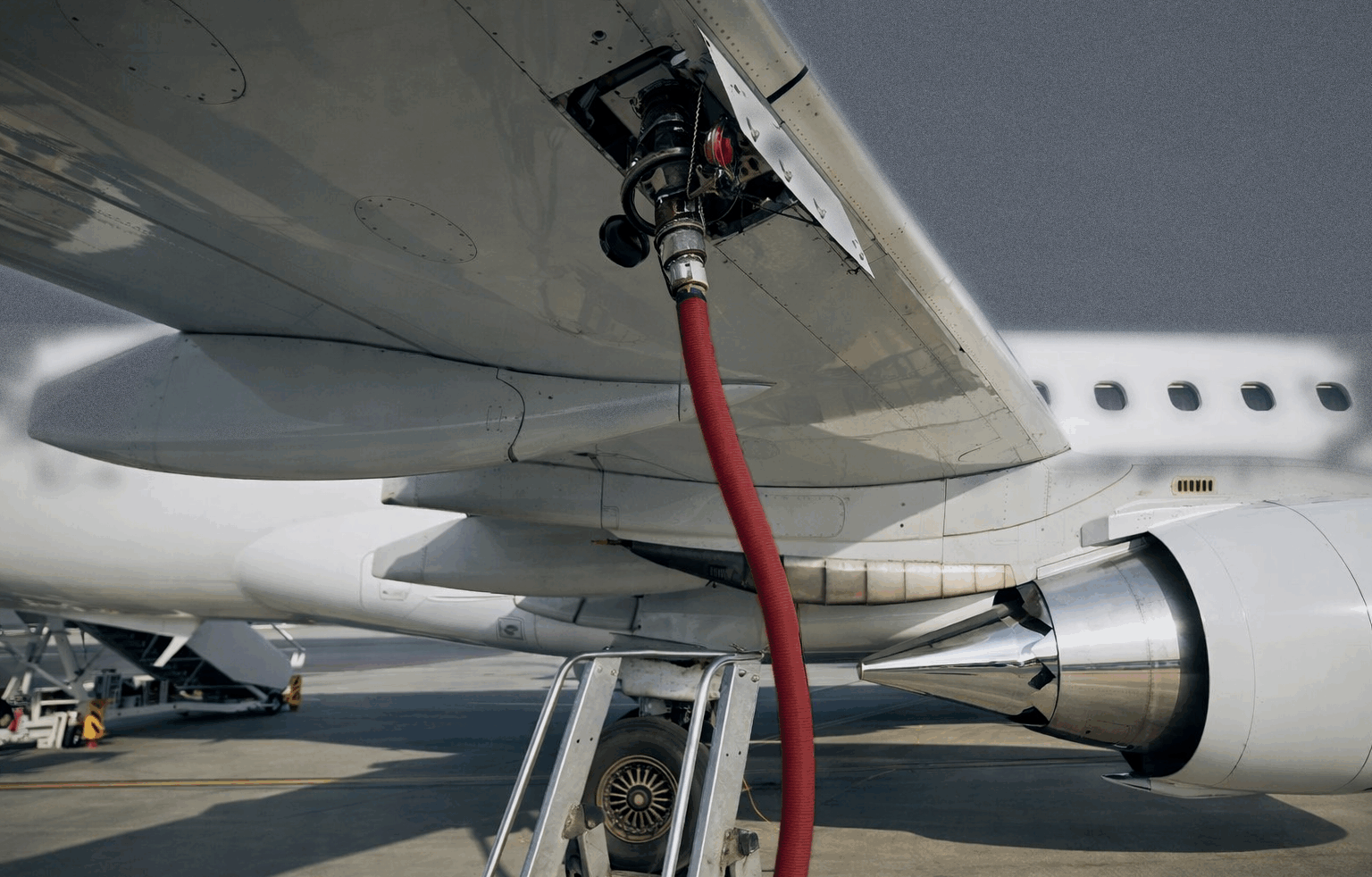

If you’ve been watching your inbox nervously for cancellation emails, you’re not alone. Lufthansa has axed 20,000 flights. Norse Atlantic has grounded its fleet. The stated reason is rising fuel costs following the Strait of Hormuz blockage, but the scale of cuts tells a different story. A Europe jet fuel shortage isn’t just a pricing headache – it increasingly looks like a supply problem that airlines would rather not spell out.
The Price Explanation Everyone’s Telling
Most coverage frames this as straightforward cost inflation. Middle East crude flows through the Strait of Hormuz to global refineries, those refineries produce jet fuel, and when the strait gets blocked, prices spike. Airlines absorb the hit, pass some on, and trim a few marginal routes. Business as usual, more or less.
That’s the comfortable version. However, it’s almost certainly incomplete.
Cost Doesn’t Explain 20,000 Cancellations
Airlines deal with fuel price spikes all the time. They hedge. They add surcharges. They consolidate frequencies on weaker routes. What they don’t typically do is axe tens of thousands of flights in one announcement. If fuel were simply expensive, you’d see higher ticket prices, not mass cancellations. You fly the plane and charge more for the seat.
When you cancel the plane entirely, the calculation has changed. You’re not just managing cost – you’re managing supply. That’s a key distinction because it changes how far this goes and how quickly it escalates. Norse cutting schedules alongside Lufthansa suggests this isn’t one carrier’s hedging strategy gone wrong. It’s systemic.
Where This Gets Worse
Summer peak demand is weeks away. Short-haul leisure routes – the lowest yield per litre burned – are the obvious first casualties. Still, some regions face sharper pain than others. Countries at the edges of European refinery networks – Scandinavia, Greece, Portugal – could feel disproportionate impact. They’re served by fewer fuel suppliers, sit furthest from the northwest European refinery cluster, and typically hold smaller strategic jet fuel reserves. When supply tightens, peripheral airports are the last to be topped up.
Charter-heavy carriers and point-to-point budget airlines operating on razor margins are most exposed. If supply doesn’t recover before June, the cancellations we’re seeing now aren’t the peak. They’re the warm-up.
The Implications for Your Booking
Airlines can’t retrospectively increase your base fare, though some ticket types allow surcharge adjustments – check your booking conditions carefully. If your flight gets cancelled, EU261 applies regardless. You’re owed rerouting or a refund.
Here’s the catch on compensation: airlines will almost certainly argue that a fuel shortage constitutes extraordinary circumstances, exempting them from paying out. That argument’s legally untested at this scale, and I’d expect it to be challenged. Your right to rerouting or a refund, though, is ironclad either way.
Practical steps: don’t wait for the cancellation email. Monitor your route actively. If you’re booking new summer trips, choose refundable fares where possible and have backup routing in mind. Flexibility’s worth more than a bargain fare right now. Also book accommodation with free cancellation.
The Quiet Part
Airlines are blaming prices. The more uncomfortable truth is that they may simply not have enough fuel. Jet fuel data for Europe heading into May showed a shortage, with inventories sitting roughly 8% below their five-year seasonal average. Meanwhile, northwest European refinery output still hasn’t recovered to pre-disruption levels. The cancellation patterns point to a supply problem, not just a pricing one.
Summer 2026 travel plans aren’t ruined – but they’re considerably less certain than most passengers realise. Pay attention to your bookings more than the airlines seem to want you to.
Give us a follow on TikTok and Instagram.
Related Articles
Air France Wins Best First Class: Does It Beat Emirates?
Singapore Airlines’ New Amenity Kits (but don’t mention the new seats)
British Airways promises a new era of luxury. Can it actually deliver?
Etihad A330neo Business Class Arrives Amid continuing regional uncertainty