Spirit Airlines has stopped flying. After years of financial turbulence, a blocked merger with JetBlue, and failed bailout attempts, the airline finally ran out of runway. For many travellers, the reaction was a shrug or even quiet satisfaction. Spirit was never designed to be loved. But dismissing this as just another bad airline going bust misses the point entirely. This looks less like a company-specific low-cost airline failure and more like a structural warning about whether the ultra low-cost model can survive at all.
The Easy Narrative & Why It’s Wrong
The comfortable version of this story is simple: Spirit was awful, passengers hated it, it deserved to fail. There’s a second, equally lazy take – that rock-bottom demand is permanent, so another carrier will simply fill the gap. Both miss what actually happened.
Spirit didn’t collapse because nobody wanted cheap flights. It collapsed because the market around it changed, and it couldn’t adapt. The fact that both Frontier Airlines and JetBlue explored involvement tells you this wasn’t indifference from the industry. It was concern.
Three Pressures That Killed the Model
Competition from above
Delta, United, and American now sell Basic Economy fares that sit within touching distance of ULCC pricing on many domestic routes. Crucially, those fares still earn miles, still connect to wider networks, and still come with disruption protection. When a legacy carrier matches your price but offers more total value, the cheapest seat in the room stops being yours.
Cost inflation hits hardest at the bottom
Post-pandemic cost increases in fuel, labour, and maintenance have bitten every airline. But carriers running on razor-thin margins feel it most. US pilot wages have risen sharply, and Spirit had no buffer to absorb the shock.
Spirit’s model also relied heavily on ancillary revenue – bags, seat selection, priority boarding – sometimes making up close to half of total income. That only works when passengers underestimate the total cost. Increasingly, they don’t. Price comparison tools and social media have made the true cost of a Spirit ticket far more transparent than the airline would like.
A strategic dead-end
The blocked JetBlue acquisition removed consolidation as an escape route. ULCCs need scale to survive, and Spirit didn’t have enough of it. Frontier’s interest reflected shared vulnerability, not strength. Once consolidation is off the table, weak carriers don’t get rescued. They just disappear.
Does Europe Face the Same Problem?
Europe looks different, but it’s not immune.
The continent’s fragmented legacy competition across Lufthansa Group, Air France-KLM, and IAG means low-cost carriers still exploit structural gaps. Strong point-to-point leisure demand across dozens of countries, combined with aggressive airport strategies from Ryanair and Wizz Air, gives European budget airlines advantages Spirit never achieved.
But the model is already evolving. easyJet increasingly pushes into package holidays. Jet2 has built a highly profitable business around bundled holidays rather than pure seat sales. Packages reduce price transparency, increase margin per passenger, and avoid competing purely on headline fares. Europe’s most successful ‘low-cost’ airlines are quietly becoming something else entirely.
Boarding Easyjet A321 at London Gatwick
The pressures are still building, though. Environmental regulation and sustainable aviation fuel requirements will push costs up. Airport fees keep climbing. Legacy carriers are gradually adopting the same unbundling strategies that budget airlines pioneered. The squeeze hasn’t been avoided – it’s just arriving later.
Fewer Choices, Higher Prices
Spirit’s collapse is a market signal, not an anomaly. The ultra low-cost airline failure pattern becomes clear once you recognise the model only works when nobody else competes properly on price. In the US, legacy carriers now do exactly that.
Fewer ULCCs means less fare competition, particularly on secondary routes where budget carriers were often the only option. The people celebrating Spirit’s demise are the same travellers who’ll probably pay more because of it.

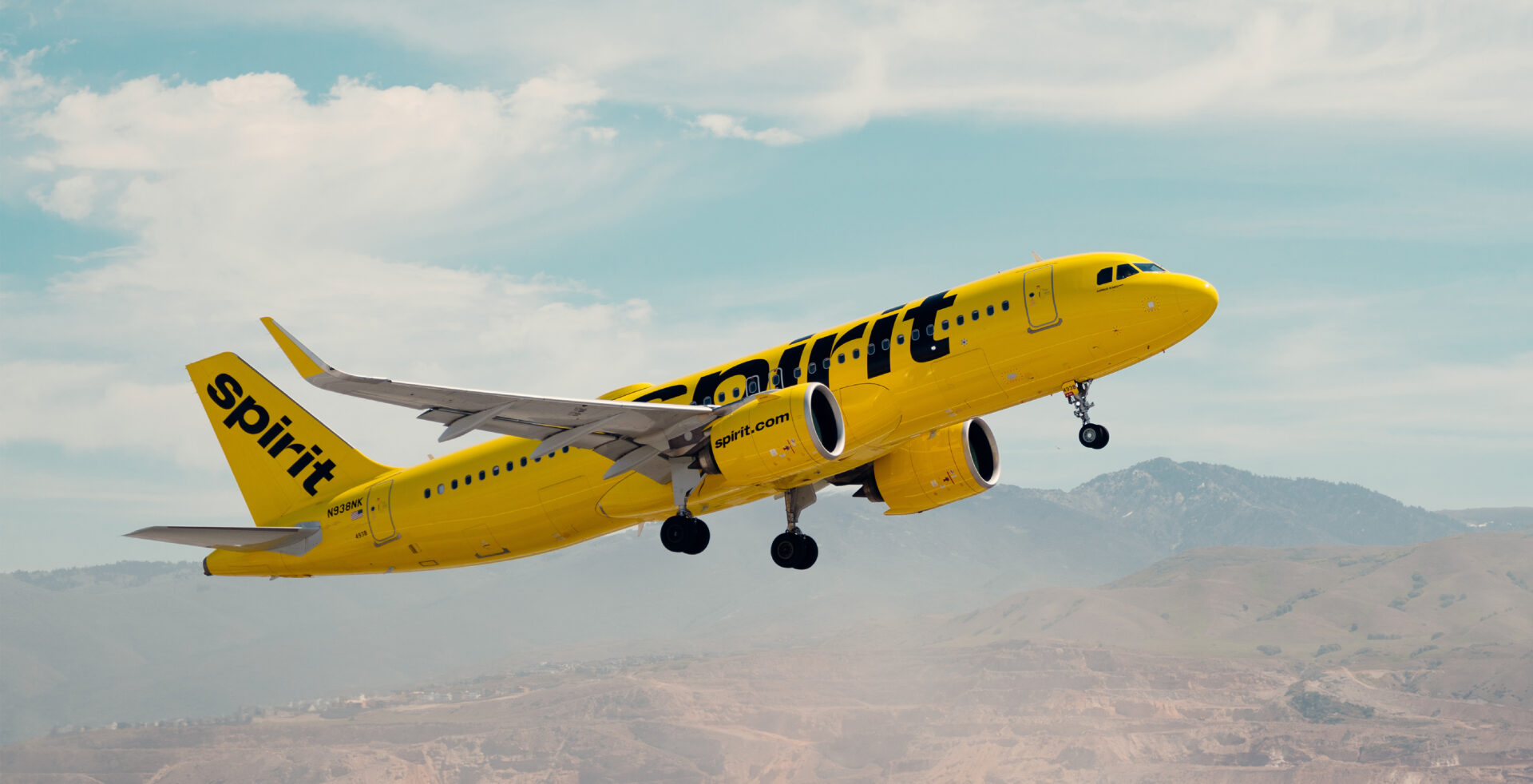

Spirit Airlines has stopped flying. After years of financial turbulence, a blocked merger with JetBlue, and failed bailout attempts, the airline finally ran out of runway. For many travellers, the reaction was a shrug or even quiet satisfaction. Spirit was never designed to be loved. But dismissing this as just another bad airline going bust misses the point entirely. This looks less like a company-specific low-cost airline failure and more like a structural warning about whether the ultra low-cost model can survive at all.
The Easy Narrative & Why It’s Wrong
The comfortable version of this story is simple: Spirit was awful, passengers hated it, it deserved to fail. There’s a second, equally lazy take – that rock-bottom demand is permanent, so another carrier will simply fill the gap. Both miss what actually happened.
Spirit didn’t collapse because nobody wanted cheap flights. It collapsed because the market around it changed, and it couldn’t adapt. The fact that both Frontier Airlines and JetBlue explored involvement tells you this wasn’t indifference from the industry. It was concern.
Three Pressures That Killed the Model
Competition from above
Delta, United, and American now sell Basic Economy fares that sit within touching distance of ULCC pricing on many domestic routes. Crucially, those fares still earn miles, still connect to wider networks, and still come with disruption protection. When a legacy carrier matches your price but offers more total value, the cheapest seat in the room stops being yours.
Cost inflation hits hardest at the bottom
Post-pandemic cost increases in fuel, labour, and maintenance have bitten every airline. But carriers running on razor-thin margins feel it most. US pilot wages have risen sharply, and Spirit had no buffer to absorb the shock.
Spirit’s model also relied heavily on ancillary revenue – bags, seat selection, priority boarding – sometimes making up close to half of total income. That only works when passengers underestimate the total cost. Increasingly, they don’t. Price comparison tools and social media have made the true cost of a Spirit ticket far more transparent than the airline would like.
A strategic dead-end
The blocked JetBlue acquisition removed consolidation as an escape route. ULCCs need scale to survive, and Spirit didn’t have enough of it. Frontier’s interest reflected shared vulnerability, not strength. Once consolidation is off the table, weak carriers don’t get rescued. They just disappear.
Does Europe Face the Same Problem?
Europe looks different, but it’s not immune.
The continent’s fragmented legacy competition across Lufthansa Group, Air France-KLM, and IAG means low-cost carriers still exploit structural gaps. Strong point-to-point leisure demand across dozens of countries, combined with aggressive airport strategies from Ryanair and Wizz Air, gives European budget airlines advantages Spirit never achieved.
But the model is already evolving. easyJet increasingly pushes into package holidays. Jet2 has built a highly profitable business around bundled holidays rather than pure seat sales. Packages reduce price transparency, increase margin per passenger, and avoid competing purely on headline fares. Europe’s most successful ‘low-cost’ airlines are quietly becoming something else entirely.
The pressures are still building, though. Environmental regulation and sustainable aviation fuel requirements will push costs up. Airport fees keep climbing. Legacy carriers are gradually adopting the same unbundling strategies that budget airlines pioneered. The squeeze hasn’t been avoided – it’s just arriving later.
Fewer Choices, Higher Prices
Spirit’s collapse is a market signal, not an anomaly. The ultra low-cost airline failure pattern becomes clear once you recognise the model only works when nobody else competes properly on price. In the US, legacy carriers now do exactly that.
Fewer ULCCs means less fare competition, particularly on secondary routes where budget carriers were often the only option. The people celebrating Spirit’s demise are the same travellers who’ll probably pay more because of it.
Give us a follow on TikTok and Instagram.
Related Articles
BA Changes Club Tier Points Thresholds Again
Air France Wins Best First Class: Does It Beat Emirates?
Singapore Airlines’ New Amenity Kits (but don’t mention the new seats)
British Airways promises a new era of luxury. Can it actually deliver?