Is airline status worth it any more, when you’re already paying for the perks?

I had one of those slightly grim ‘annual audit’ moments recently: staring at a re-qualification target and realising the cheapest sensible way to hit it involved buying fares I didn’t actually need. Not because the trip demanded it. Not because I’d be miserable otherwise. Just because I wanted the little digital badge to roll over for another year. So I’m not rage-quitting loyalty programmes. I’m just doing the maths and asking the question people keep dodging: airline status worth it any more, when so many of the advantages come bundled in the ticket you’re buying to re-qualify?

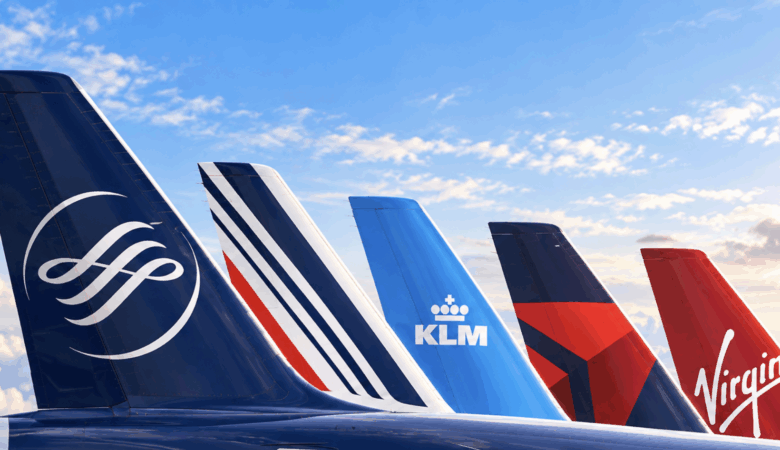
For context, I’ve held Oneworld, Star Alliance and SkyTeam elite status across multiple years. I’ve done enough short-haul shuttles and long-haul slogs to know what genuinely changes at the airport; and what’s basically marketing with a glittery card.

The flywheel we all bought into

The classic pitch is simple: fly a lot, get treated better, flying gets easier, so you fly more. When status works, it buys you time (fast track), comfort (lounge), and a bit of dignity (not fighting for overhead bin space like it’s the last helicopter out of Saigon).

Airlines have been brilliant at bottling that pain relief into shiny headline perks: the BA First Wing at Heathrow T5, the Virgin Upper Class Wing at T3, priority check-in, priority boarding, the occasional bit of ‘hello Mr/Ms ___’ recognition that makes you feel like you’re not just Seat 22B with a credit limit.

Airline status worth it: not when programmes reward spend, not loyalty

Here’s the shift nobody wants to say out loud: most loyalty programmes now reward yield more than frequency. Higher spenders float to the top; everyone else plays catch-up.

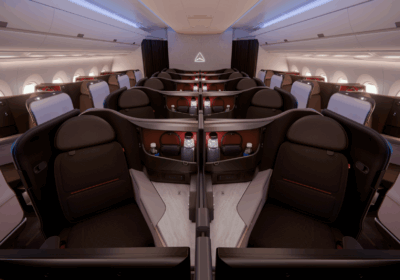
It also means status inflation is real. More premium cabins are sold, more people have priority tags, more people ‘deserve’ the lounge. The result is predictable: the very benefits you’re chasing are less special, more crowded, and often geographically limited. With over 100 business class seats on some A380 configurations (BA also promises this with their A380 refit), you can see this status dilution in action.

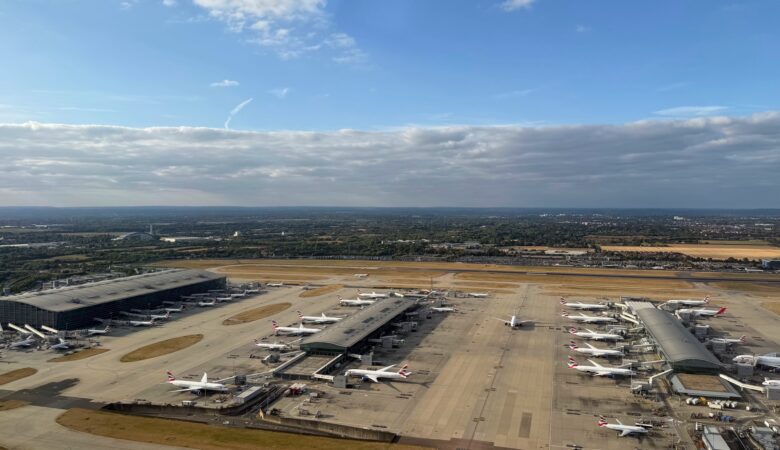
Those glamorous ‘wings’ are brilliant at the airports that have them. Heathrow is a cathedral to airline hierarchy. Plenty of real-world flying happens at outstations where the ‘elite’ check-in desk is a small sign pointing you towards… the same security queue as everyone else.

And the core contradiction is this: to earn status these days, you’re often pushed into fares that already include most of the airline status benefits.

What status still changes (and what you’re already paying for)

Once you strip it down, status advantages fall into three buckets.

First: redundant when you’re flying premium anyway.

If you’re buying business class to hit a threshold, you’re usually already getting lounge access, fast track and priority boarding. Paying extra to ‘earn’ them again is like paying for a hotel breakfast so you can unlock the privilege of… eating breakfast.

Second: brilliant at hubs, patchy everywhere else.

The BA First Wing is a cheat code on a bad day at T5. Fly from somewhere less choreographed than Heathrow and status often boils down to a separate check-in desk that may or may not be open, plus a shrug.

Third: the edge-case wins that actually matter.

Disruption is where status earns its keep: when IRROPS hits and the app is melting, being higher up the priority list for rebooking can save hours, occasionally a whole night. Same for better phone lines or agents who can do something other than apologise.

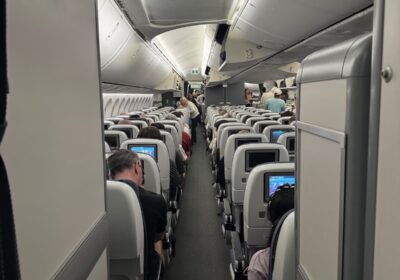
There are also small tactical benefits. In short-haul economy, status can be oddly satisfying; BA’s seat selection and, on some tiers and routes, the occasional blocked middle seat. The irony is that status chasing tends to push you into paying for Club Europe, where the middle seat is blocked anyway.

Status chasing distorts your travel more than you admit

This is the bit that made me change my own behaviour: status chasing starts quietly, then it warps everything.

You take the connection via your home hub because it ‘counts’ better. You book the slightly worse timing because it earns more. You ignore a direct flight on a competitor because you’re ‘so close’ to requalifying. Eventually, status stops being a reward and becomes a subscription you keep paying for, just in a more complicated currency.

Do this instead: buy the friction you actually hate

If you genuinely value lounge time and fast track, price them in like an adult and buy the fare (or add-on) that gives you those things on the days they matter. Paid lounge entry is sometimes a better deal than a whole extra positioning flight you didn’t need.

Keep status if your travel pattern earns it naturally: lots of short-haul economy, mixed-cabin work travel, or routes where disruption is common. Otherwise, spend the budget on what you’ll notice: direct routings, sensible departure times, and better onboard products. If you want a deeper dive on the mechanics, we’ve previously written Is British Airways loyalty worth it? Here’s what 550 BA Club members told us….

Status isn’t dead. Chasing it often is.

So, airline status worth it? Sometimes; particularly if it drops out of your normal travel without you doing anything weird.

But if you’re buying business class purely to keep status, you’ve already bought most of what status gives you. What’s left is a pricey badge and a few disruption-era advantages you might not even use this year.

The question I now ask myself is simple: would I still buy this fare if it earned zero tier points? If the answer is no, I’m not being ‘loyal’. I’m paying for a feeling, not a benefit.

Choose flights first. Programme second. That’s the only version of loyalty that still feels rational.

Follow our updates on Bluesky and Instagram.

Leave a Reply

Your email address will not be published. Required fields are marked *