
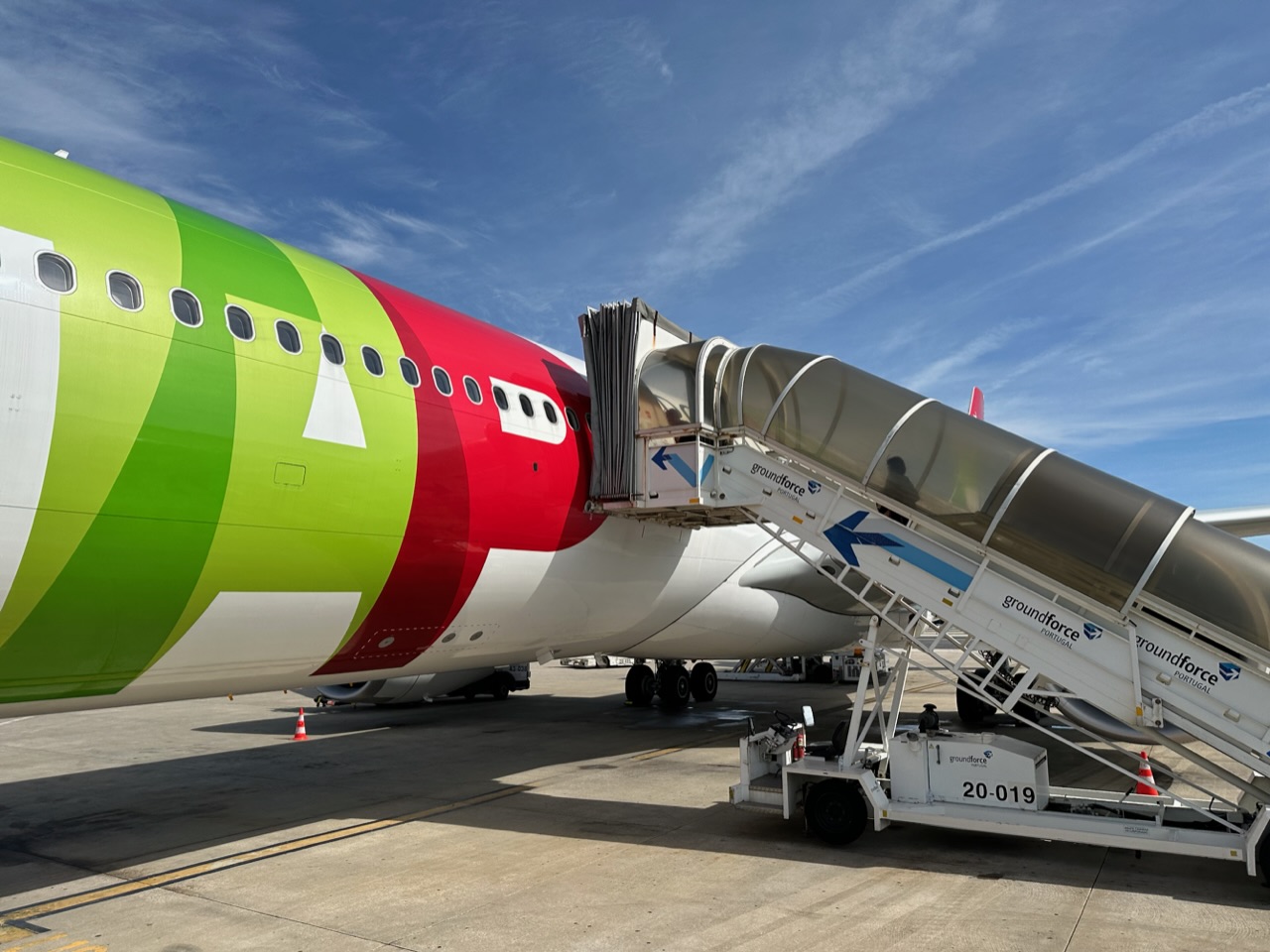

Lufthansa has won the battle for TAP Air Portugal, and buying the airline could transform it. New aircraft, more routes and the financial backing of one of Europe’s largest airline groups all sound rather promising. But for travellers who choose TAP for its competitive business class fares, there are reasons to be cautious. Lufthansa has already shown how quickly it can absorb another airline’s loyalty programme, while its transatlantic partnership lets member airlines coordinate prices and schedules. Will TAP still offer the same value once Lufthansa takes control?
Lufthansa Is Buying TAP, With Bigger Plans Ahead
On 14 October 2026, the Portuguese government selected Lufthansa Group to acquire an initial 44.9% stake in TAP for €1.025 billion. Lufthansa could increase its holding to 49.9% if employees don’t take up their reserved 5%, with the total first-stage package worth up to €1.201 billion. Portugal will initially retain 50.1% of the airline, although Lufthansa will appoint three of TAP’s four executive directors. The German group beat Air France-KLM, with an offer the Portuguese government says was up to 16% higher.
The more interesting part may come later. Lufthansa has proposed buying the government’s remaining 50.1% stake in TAP for another €1.351 billion. That breaks down as €863 million in cash plus a 5% shareholding in the enlarged Lufthansa group, valued at €488 million. The deal would take Lufthansa to near-total ownership of TAP. However, the second sale needs a separate process and political approval. The initial deal still requires regulatory clearance, and completion is expected in 2028.
British Airways’ parent company, IAG, had also considered buying TAP. It pushed for a clear path to full ownership, which would let it manage and reshape the airline. IAG then withdrew from the process on 2 April 2026. Lufthansa has now secured a proposal that addresses exactly that point, although the second transaction remains far from guaranteed. Lufthansa is willing to spend billions buying TAP, so this clearly isn’t about sitting back and collecting dividends.
Why TAP’s Business Class Fares Are Worth Protecting
TAP fills a useful gap in the market. It suits travellers who want a long-haul business class seat without paying the prices Europe’s largest carriers charge. Its Lisbon hub gives passengers access to Brazil, North America and Portuguese-speaking Africa, often with competitive connecting fares from other European cities. That doesn’t mean TAP is always cheap, but it gives travellers another option when direct flights cost a small fortune. And we’ve taken advantage of that ourselves.
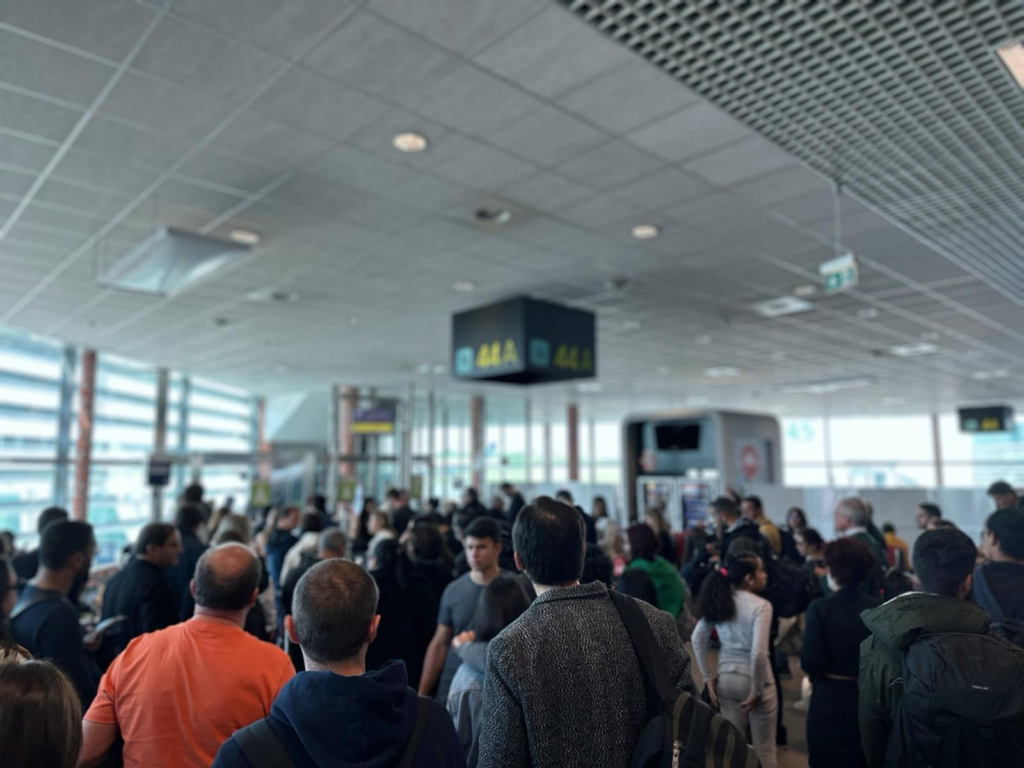
We’ve flown TAP business class from Lisbon to São Paulo a few times because direct flights from London were far too expensive. The itinerary involved four sectors, and the airline wasn’t without its faults. Crowded gates, awkward connections and some disappointing catering tested our enthusiasm. But it consistently delivers a flat bed and, when the alternative costs a lot more, accepting a few compromises can make good financial sense.
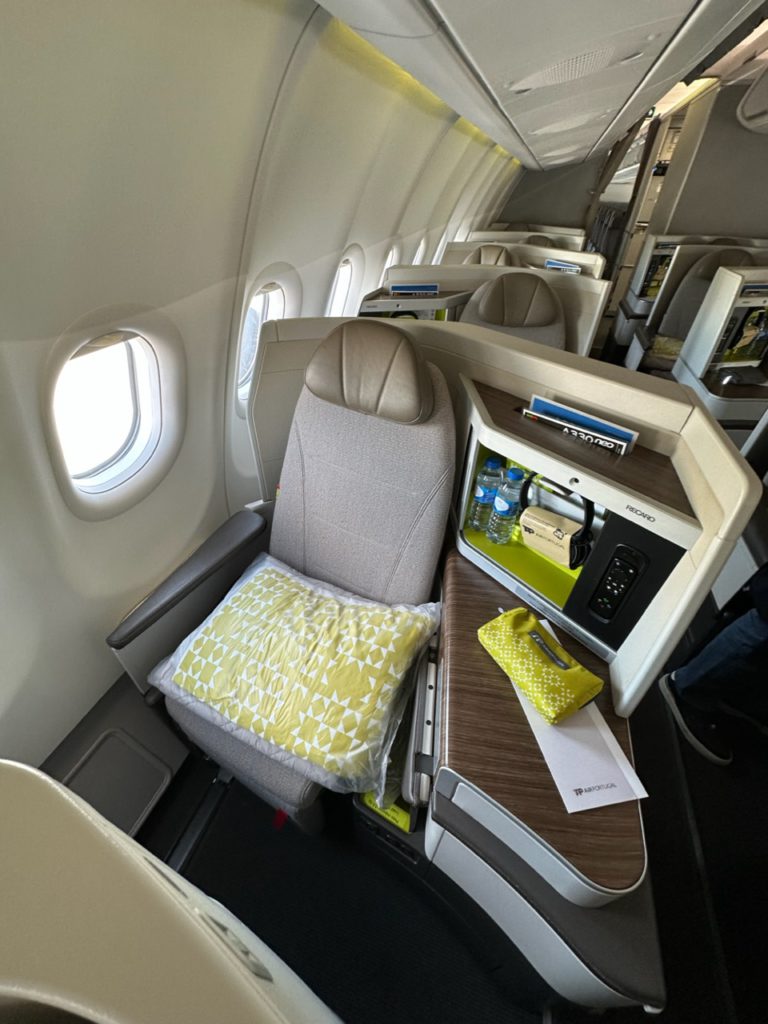
That doesn’t mean we’d recommend TAP at any price. Our 2024 A330neo business class review found a filthy seat, a broken armrest and other maintenance problems. We didn’t think that particular ticket represented good value. The point is that TAP gives travellers another airline to compare, with prices that can make its weaker points easier to forgive. If Lufthansa changes that balance, we’ll have one fewer useful option when hunting for an affordable premium cabin.
Could Lufthansa’s Atlantic Joint Venture Push Up Fares?
Lufthansa already participates in an Atlantic joint venture with United Airlines, Air Canada, Austrian Airlines, SWISS, Brussels Airlines and Eurowings. These airlines do much more than share flight numbers or recognise each other’s frequent flyer status. They coordinate fares and schedules, and share revenue on covered routes between Europe and North America. That arrangement helps them build better connections, but it changes their reasons for competing on price. When partners share the revenue, undercutting one another becomes less attractive.
And this isn’t just a theoretical concern. In December 2025, Portuguese business newspaper ECO reported that Lufthansa’s proposal for buying TAP would include the option of joining the joint venture. Lufthansa hasn’t publicly confirmed TAP’s membership, and any such move would need approval from regulators on both sides of the Atlantic. Nevertheless, it’s a much more concrete possibility than simply wondering whether the German group might want to coordinate prices.
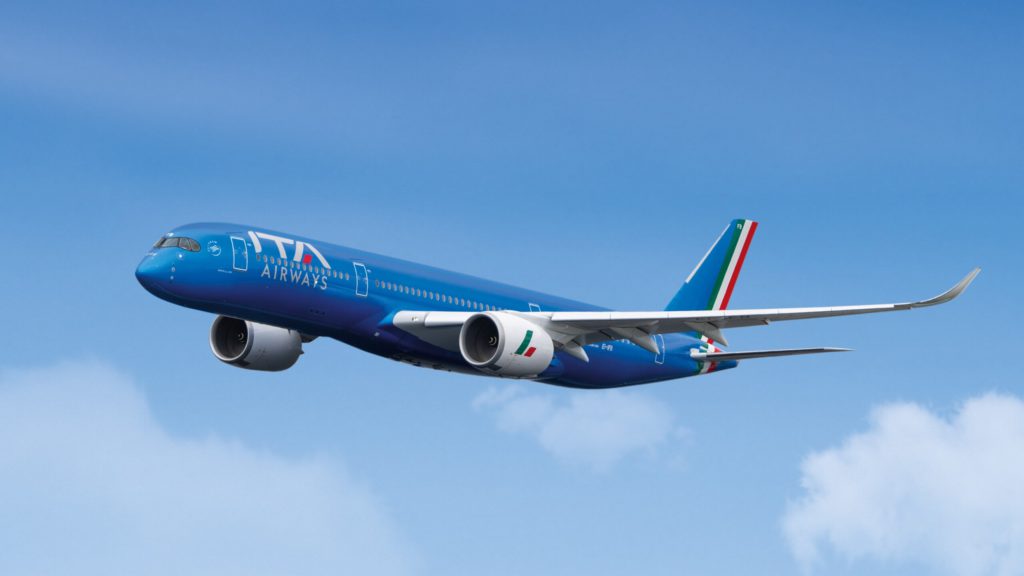
European regulators have already examined what this sort of arrangement can mean for competition. The European Commission approved Lufthansa’s investment in ITA Airways in 2024, but it required measures to protect competition on certain routes between Italy and North America. The Commission treated Lufthansa, United and Air Canada as a single commercial group on those routes. That’s because the airlines coordinate prices, capacity and schedules, and share revenue. ITA is now working towards joining the same joint venture, with summer 2027 identified as a target, subject to approval.
There’s an important distinction here. The Atlantic joint venture covers North America, not Brazil, where TAP has a particularly strong network. Joining it wouldn’t automatically bring Lisbon-São Paulo fares under the same agreement. But Lufthansa could still coordinate TAP’s wider sales and commercial operations without adding every route to a joint venture. That creates a risk that some of TAP’s cheaper fares become harder to find. This could happen even if the airline keeps flying the same aircraft to the same destinations. The concern isn’t that every ticket will cost more, but that one independent source of competition could gradually disappear.
Is TAP Miles&Go Next for the Chop?
Anyone collecting TAP Miles&Go miles should pay close attention to what Lufthansa did in Italy. Miles&Go is TAP’s frequent flyer programme, which lets passengers collect miles for reward flights and qualify for elite status. Lufthansa bought an initial 41% stake in ITA Airways in January 2025. Just over a year later, ITA closed its Volare programme on 30 March 2026. Miles & More became its official loyalty programme on 1 April. That’s Lufthansa’s own scheme, shared across much of its airline group.
The speed of that change is remarkable. Lufthansa hasn’t even completed its planned increase to 90% ownership of ITA, which it expects in the first quarter of 2027. Yet it has already integrated ITA’s customer-facing systems, apart from North Atlantic operations awaiting regulatory approval. The airline still flies under its own name, but its independent loyalty programme is gone. We’ve covered what happened to Volare members in more detail, and the precedent should give TAP members something to think about.
After buying TAP, Lufthansa would have good business reasons to follow the same approach. Maintaining separate loyalty systems, rules and partner agreements costs money, while one large programme creates more opportunities to keep passengers within the group. Passengers might benefit too, with wider earning and redemption options through Miles & More. But that doesn’t mean everyone would be better off. As our TAP Miles&Go review explains, the Portuguese programme has its own earning rates and routes to elite status. These suit some travellers better than Lufthansa’s alternative.

Lufthansa hasn’t announced plans to close Miles&Go, and there’s no reason for members to panic or rush to redeem their miles. However, Volare’s rapid demise makes it difficult to assume TAP’s programme will stay independent forever. Are you planning to invest heavily in Miles&Go status over the next few years? If so, we’d keep that uncertainty in mind before deciding where to credit your flights.
Could Lufthansa Make TAP a Better Airline?
It’s only fair to acknowledge that buying TAP gives Lufthansa a chance to make some big improvements. The Portuguese government’s plans call for TAP’s fleet to grow to 117 aircraft by 2035 and eventually to 130. That expansion would involve €3 billion to €4 billion in fleet investment, with the possibility of transferring up to eight Airbus A350-900s after 2030. No new TAP business class seat has been announced, but there’s an obvious opportunity to improve the cabin as the airline grows.
The plans would strengthen Lisbon as a hub and give Porto a larger role, with eight aircraft based there. TAP would keep its Portuguese identity, brand and links to islands in the Atlantic, while the combined group would become a stronger competitor on Latin American routes. Newer aircraft and better connections could be good news for passengers. We’ve found cleanliness and maintenance faults on TAP before. So we’d certainly welcome investment in the onboard product, rather than another round of corporate branding exercises.
Of course, better aircraft don’t necessarily mean better value. If TAP improves its business class cabins, we wouldn’t object to paying a reasonable premium for the difference. But a nicer seat doesn’t automatically justify a much more expensive ticket, especially when rival airlines keep competing on price. Lufthansa could make TAP more attractive to passengers while, at the same time, making it less useful to travellers looking for a bargain.
Our Verdict: A Better TAP, But at What Price?
Lufthansa has plenty of reasons to be pleased about buying TAP. TAP brings a valuable South Atlantic network, another European hub and a customer base that complements its existing airlines. Passengers could benefit from newer aircraft, more connections and stronger financial backing. However, the ITA precedent gives us reason to question Miles&Go’s future. TAP’s possible move into the Atlantic joint venture is a more direct concern for competition and pricing on North American routes. We’re not predicting that TAP’s cheapest fares will disappear, but the risk deserves attention.
For now, there’s no reason to stop booking TAP when its fares and schedules work in your favour. The purchase isn’t complete, and neither its loyalty rules nor its pricing have changed as a result of the announcement. We’ll continue comparing TAP with Lufthansa, SWISS, British Airways and other options when planning long-haul trips. Lufthansa might well make TAP a better airline. We’re just not convinced it’ll remain a better-value one.


Leave a Reply