

Kuala Lumpur to Singapore is a busy route, and one of those flights where the aircraft barely has time to climb before it is already thinking about coming back down again.
For years, Malaysia Airlines and Singapore Airlines have operated this corridor in polite parallel. Same route, different alliances, different lounges, different onboard experience. Now, that relationship is shifting.
The Malaysia Airlines and Singapore Airlines partnership has moved into a new phase, with joint fare products now launched between Kuala Lumpur and Singapore after regulatory approvals. The fares themselves are useful, but the bigger story is what this could mean next for frequent flyers, premium passengers and anyone who regularly hops between the two capitals.
The Joint Fares, Explained
The new joint fare products build on the existing codeshare between Malaysia Airlines and Singapore Airlines, giving travellers more fare options across both networks.
This is not a full end-state product. It is a phased rollout, with the groundwork building for years, including reciprocal earning and redemption between Enrich and KrisFlyer on selected flights, which began in February 2024.
For passengers, the immediate benefit is choice. The two airlines can now offer more joined-up pricing on the Kuala Lumpur to Singapore route, with the potential for smoother connections beyond each hub.
What the Malaysia Airlines Singapore Airlines Partnership Means for Premium Travellers
Here’s the part loyal flyers should care about. Malaysia Airlines and Singapore Airlines are working towards reciprocal lounge access, coordinated schedules and joint corporate travel arrangements. Those details are still being rolled out, but they could make a real difference on this route.
Right now, the premium experience can feel uneven depending on which airline you choose.
If you fly Singapore Airlines business class out of Kuala Lumpur, you are typically directed to a contract lounge. Malaysia Airlines passengers, by contrast, use the Malaysia Airlines Golden Lounge at KLIA. The reverse applies in Singapore, where Singapore Airlines has the home advantage at Changi.
That makes lounge access one of the most important things to watch. If reciprocal lounge benefits arrive properly, the partnership becomes much more useful for business class passengers and frequent flyers.

The Seat Comparison
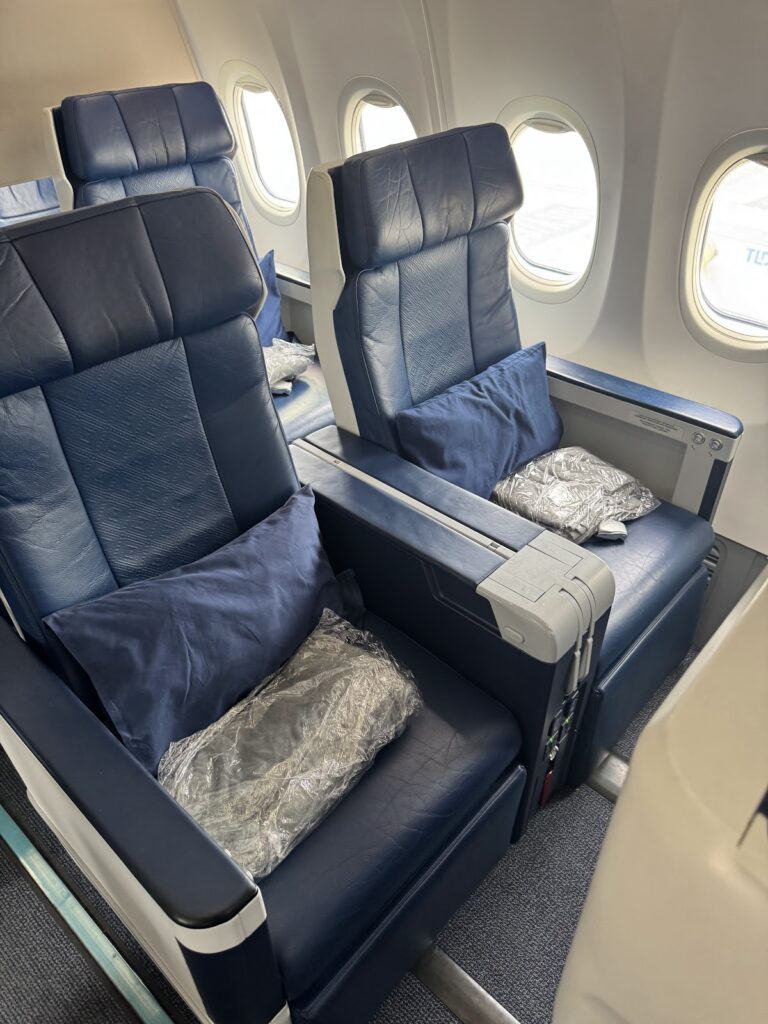
There is also a clear onboard product angle. Malaysia Airlines usually operates narrowbody aircraft on regional routes, with business class seats arranged in a more conventional recliner-style cabin. It is comfortable enough for a short sector, but it is not the kind of seat that makes you arrive early just to admire it.
Singapore Airlines, by contrast, sometimes deploys widebody aircraft on short regional hops, including aircraft with proper long-haul or regional business class seating. When that happens, the difference is obvious.
On a route as short as Kuala Lumpur to Singapore, a lie-flat or widebody business class seat is hardly essential. Nobody is settling in for a Netflix trilogy. But it does change the feel of the flight. It turns a quick shuttle into something closer to a proper premium experience. If Singapore Airlines continues using widebody aircraft on this corridor, the onboard product becomes a genuine differentiator.

The Food Comparison
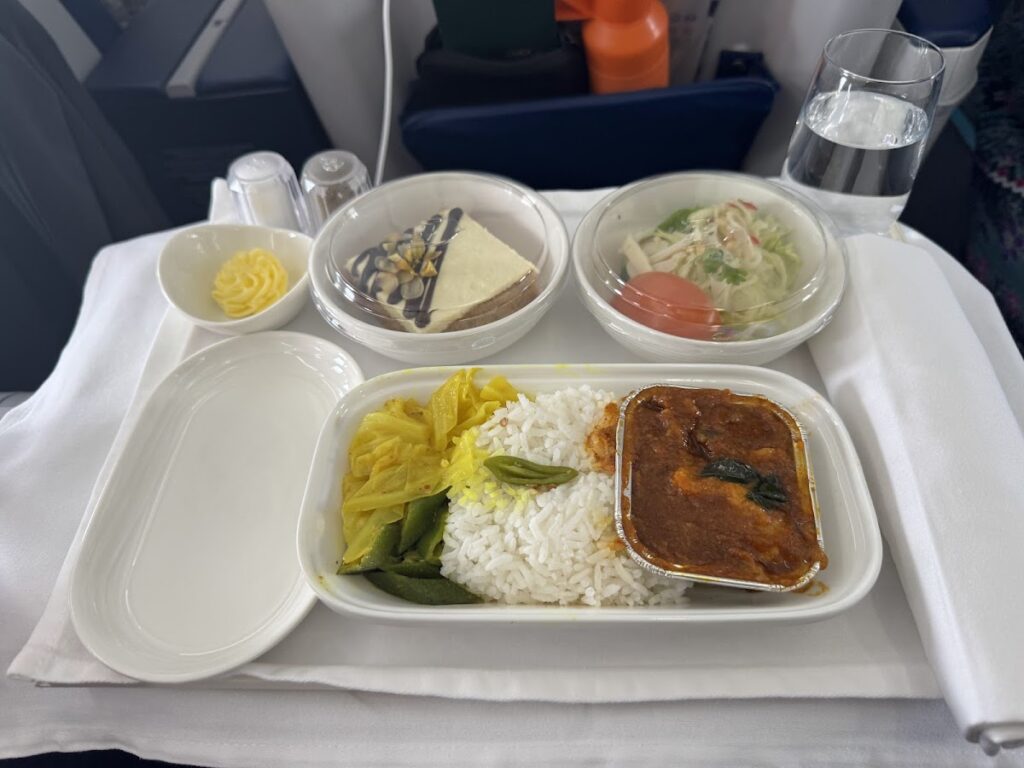
On Malaysia Airlines, our short-haul business class meal felt more complete than expected for a domestic sector. It was still a short flight meal, but it had the structure of a proper service.
Singapore Airlines is usually strong on catering, but not every short-haul business class meal looks polished. On our short-haul Singapore Airlines business class flight from Bangkok to Singapore, the presentation was surprisingly poor. The food itself may have been fine, but the way it was presented did not exactly scream premium.
That is the thing with regional business class in Asia. The seat, lounge and service can be excellent, but the meal can still vary wildly depending on the route.

Broadening the collaboration
Since signing their cooperation framework in October 2019, the two carriers have steadily widened their collaboration. They already codeshare across Malaysia, Singapore, Europe and South Africa, so the latest move is evolution rather than surprise.
If you hold Enrich or KrisFlyer status and fly this corridor often, watch the lounge access detail and the aircraft type. That’s where this partnership stops being a press release and starts being something you feel at the gate.
What to Watch Next
For most travellers, the joint fares simply mean more choice when booking between Kuala Lumpur and Singapore. For frequent flyers, the bigger question is what comes next. Lounge access, better schedule coordination, corporate fares, aircraft choice and Enrich/KrisFlyer benefits are the details that will really matter.
For now, the two things to watch are simple: which lounge you can use, and which aircraft you get. On a route this short, those details can make all the difference.
Give us a follow on TikTok and Instagram.


Leave a Reply