
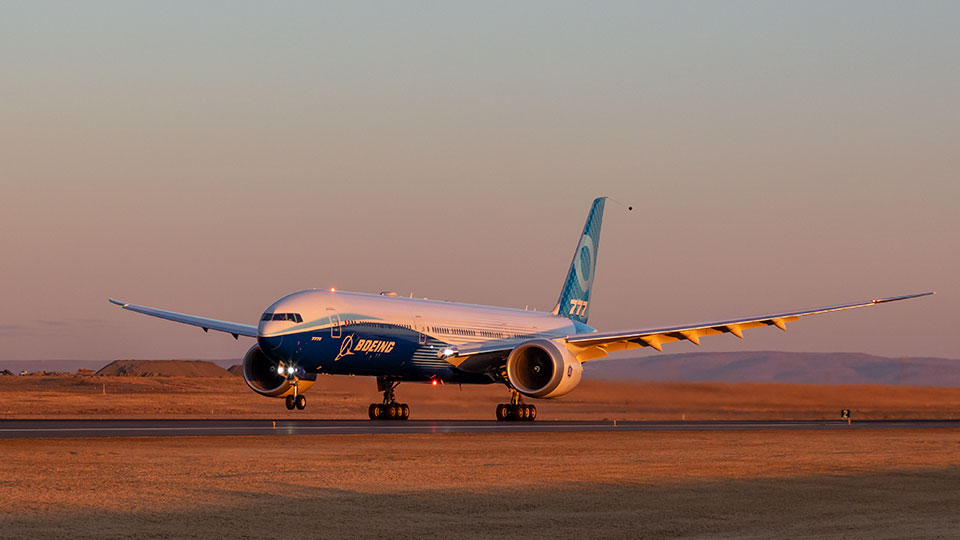

The latest Boeing 777X delay has taken a turn that no certification chart can explain. At the Farnborough International Airshow 2026, just down the road from us, Emirates President Sir Tim Clark told Aviation Week that the airline would reject around 10 or 11 of the first jets because they’re now roughly eight years old. He joked they were only fit for conversion into cans of cooked beans. When your biggest customer says your new aircraft belong in a recycling plant, that’s no longer a routine delay update.
The Paperwork Isn’t The Whole 777X Story
Most observers assume the hold-up is purely regulatory. The FAA is slow, Boeing is grinding through it, and once the certificate lands the backlog clears. Reuters reported, per the FAA, that certification should complete by early 2027. I’d call that a real bottleneck. It isn’t the whole story, though.
The earliest 777X frames haven’t been sitting patiently, ready to fly. They’ve aged out of relevance. Clark explained that bringing them up to the latest build standard would need major changes to the airframe and onboard systems, since Boeing has introduced a string of engineering, production, and system improvements since those jets were first made. One frame has already gone: The Air Current reported that a 777X was dismantled in 2025 after six years grounded near Boeing’s Seattle plant.
Think about the timeline. The programme launched in 2013. On top of being at least seven years late, 14 years will have passed since that launch. The first production aircraft became obsolete while parked on the tarmac, which I find a remarkable way to lose an argument with your own customer.
The Numbers & The Quote That Stings
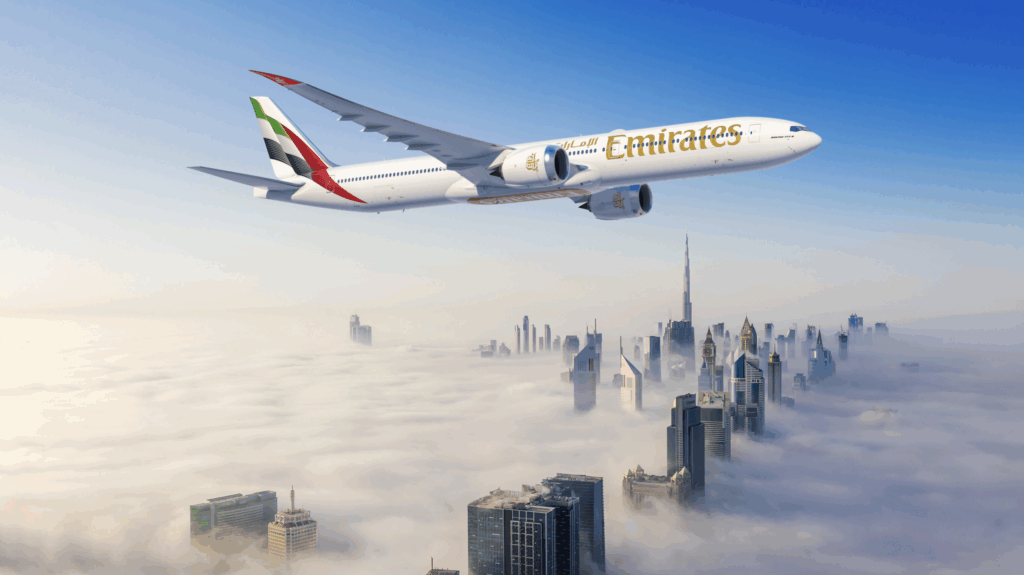
Clark didn’t mince words about the core problem. “The modifications for the airframe have been so significant since the early flights. And don’t forget we had a static-test failure as well,” he said, adding: “I went on the first one in 2019, which was fully configured except for our first-class cabins, and here we are in 2026. It’s now seven years on. We’re not taking them.”
The scale here is enormous. Emirates holds a firm order for 270 Boeing 777X aircraft, each listed at around $440 million. Seven years behind schedule, the programme also took a $4.9 billion charge in 2025; the kind of number that turns a delay into a real financial headache.
Emirates Is Trapped & Airbus Can’t Rescue It Quickly
No airline is more reliant on the 777X than Emirates. Those 270 jets are meant to renew the fleet and eventually replace the A380, so the pressure here is real. Clark has previously called the A350-1000 ‘defective’, yet he now says Emirates is close to ordering it. I read that as a loud signal of how thin his patience has worn.
The squeeze spreads wider, too. Carriers waiting on the 777-9 keep extending the lives of older 777-300ERs, A380s, and other long-haul types, which piles on maintenance, fuel, and cabin costs. Airbus can’t simply mop up the demand either, since its own backlog means slots in the coming years are hard to find. In a two-maker market, everyone loses when Boeing stumbles.
Given all that, here’s what it actually means if you’re the one booking the ticket.
What This Means If You Fly The Front End
Don’t book long-haul Emirates flights hoping to sample the 777X cabin in the next 12 to 18 months. It won’t happen. If Emirates’ product is your deciding factor on a route, the 777-300ER or A380 remains the realistic choice for now. I’d watch for actual 777X route filings with aircraft type attached rather than press releases; that’s when I’d take delivery confidence seriously.
Boeing’s Real Problem Isn’t The Calendar
The damage here is reputational, not just regulatory. When your most important customer suggests your aircraft belong in a tin can factory, a delay notice is the least of your worries. I can’t recall Airbus facing anything like this from a launch customer (at least not publicly) during the A350-900‘s entry into service or the later A350-1000 rollout. Nobody at Airbus has had to sit through a Tim Clark joke about turning its jets into beans, and frankly, I don’t envy whoever has to sit through the next one at Boeing.
So the certification date almost misses the point. Until Boeing hands over aircraft its own biggest customer actually wants, the timeline is the smallest of its troubles. The bigger question for the rest of us is sharper: if Emirates really does turn to Airbus for its widebodies, what happens to premium cabin choice when the balance of power tips that far?
Give us a follow on TikTok and Instagram.


Leave a Reply