Good news, on the face of it. But look at how BA is selling it.
The subject line of its email reads: ‘Your tier point earning, before you book’. The headline inside goes further: ‘Know exactly what your journey could earn’
Know exactly. Not ‘get a rough idea’. And BA spells out why it wants you to see the number: it helps you ‘understand the value of each trip before you book’.
‘Value’ is a significant word to use at the point of sale. ‘Exactly’ is a bigger one.
British Airways Tier Points Can Influence What You Buy
Anyone chasing status knows tier points shape which flight you book. You might take a connection instead of flying direct. You might pay more for one fare than another. Close to Silver or Gold, an itinerary earning substantially more tier points becomes the better-value option.
This is no longer a number buried inside Manage My Booking. FlyerTalk members testing it report that the figures now appear while you’re comparing fares.
The trouble starts when the number turns out to be wrong.
BA’s Estimates Don’t Always Match What You Receive
One passenger says BA credited 299 fewer tier points than the figure shown against their cash booking, a shortfall of roughly 7%. They kept screenshots from before and after travel. BA wouldn’t adjust the award because the figure was only an estimate.
Others discussing BA’s August 2026 announcement report the same gap between what Manage My Booking shows and what lands in their account. One member’s verdict: fix the inaccuracies before promoting greater visibility of them.
These are individual reports rather than verified cases. But there are enough to make BA’s new emphasis on certainty worth examining.
BA Can’t Really Have It Both Ways
There’s a carefully chosen word in that headline: ‘could’. Fair enough. Earnings change if you cancel a sector, switch cabin or end up on another airline.
But there’s another word in the same sentence: ‘exactly’. An estimate tells you roughly what something might produce. ‘Exactly’ says the number is accurate.
And BA isn’t displaying that figure merely for information. Since April 2025, unfair trading has been governed by the Digital Markets, Competition and Consumers Act 2024. Section 226 makes it a misleading action to provide false or misleading information about anything relevant to a transactional decision, where that’s likely to push the average consumer into a choice they wouldn’t otherwise have made. The Act is blunt about the test. Information can mislead even when it’s true if it’s presented in a misleading way.
A transactional decision covers whether, how and on what terms you buy. Choosing one BA fare over another because it displays more tier points looks very much like the sort of decision that provision is aimed at.
Advertising rules point the same way. CAP rule 3.9 says a qualification may clarify a claim but must not contradict it, and CAP’s guidance warns that small print at the foot of an email is unlikely to be enough.
We’re not suggesting every wrong tier point calculation breaks consumer law. But BA has rather helpfully made the relevance of the figure explicit. That makes ‘it’s only an estimate’ a less satisfying answer when it proves wrong.
An Estimate Is Fine. A Meaningless Estimate Isn’t
Say BA shows 8,000 tier points and you later change half the flights. Nobody expects the original figure to survive.
Now say BA shows 8,000 before checkout, you buy partly because of the status credit, you fly precisely what you booked, and BA credits 7,000.
The customer changed nothing. BA calculated the figure, BA displayed it, and BA said it would help you judge the value of the purchase.
A350 wing tip
British Airways Should Stand Behind Its Figures
This doesn’t need another loyalty-programme overhaul. If a passenger flies exactly what they booked and can produce the figure BA displayed, BA should honour it unless there’s a clear reason the earning changed.
If BA can’t calculate the figure reliably, call it an estimate and explain why it might vary. Nothing wrong with that. Just don’t put ‘exactly’ in 48-point type and retreat to ‘approximately’ when somebody comes looking for the missing tier points.
The visibility itself is a good feature and we want BA to keep it, particularly under the considerably more complicated revenue-based British Airways Club. But until BA works out how ‘exactly’ and ‘estimate’ are supposed to coexist, our advice is simple: screenshot the quoted British Airways tier points and Avios figures before you pay!

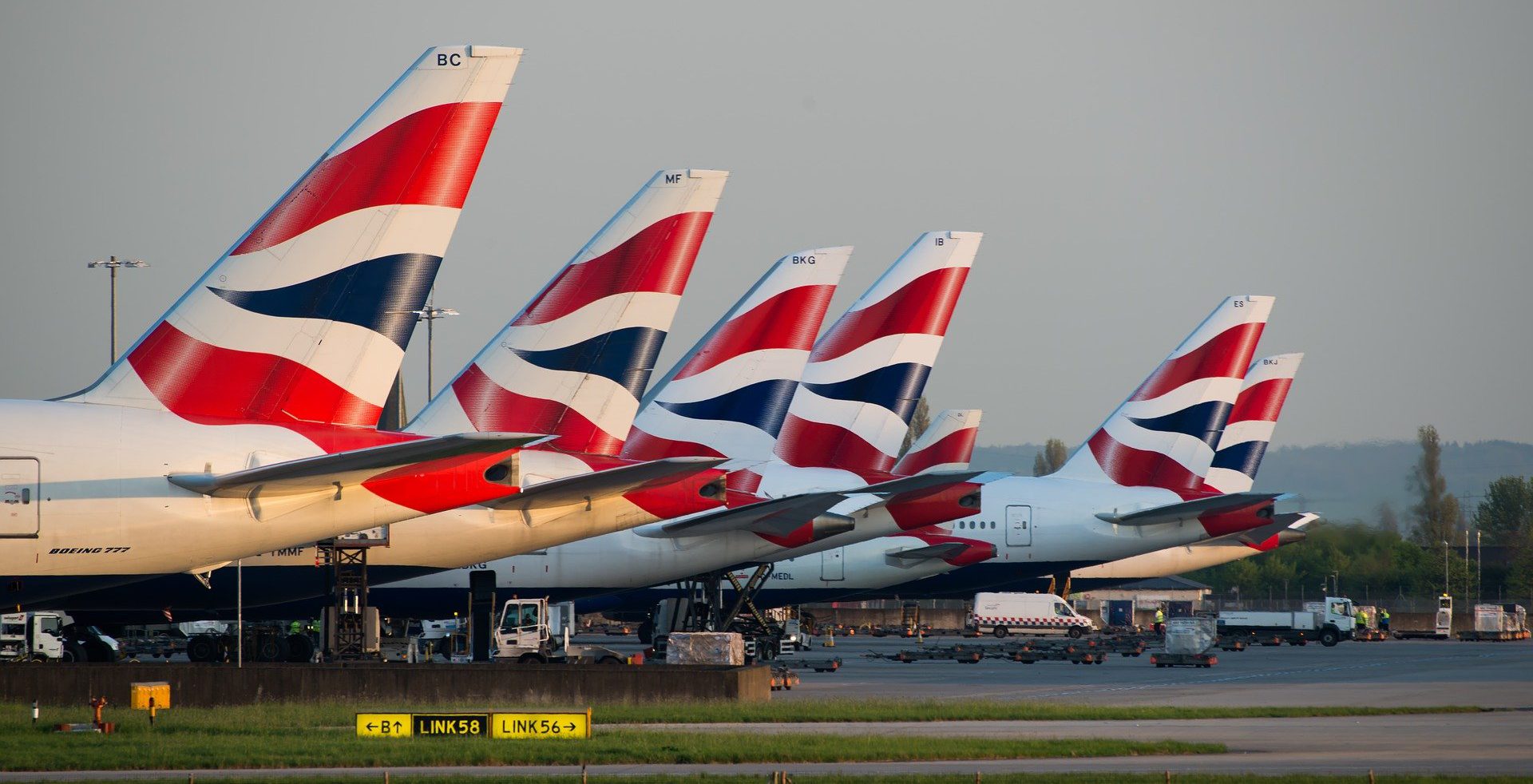

British Airways is making a much bigger deal of showing you how many tier points and Avios you could earn before you book. Tier points are the credits that move you up the BA Club status ladder, while Avios are the points currency you spend on reward flights.
Good news, on the face of it. But look at how BA is selling it.
The subject line of its email reads: ‘Your tier point earning, before you book’. The headline inside goes further: ‘Know exactly what your journey could earn’
Know exactly. Not ‘get a rough idea’. And BA spells out why it wants you to see the number: it helps you ‘understand the value of each trip before you book’.
‘Value’ is a significant word to use at the point of sale. ‘Exactly’ is a bigger one.
British Airways Tier Points Can Influence What You Buy
Anyone chasing status knows tier points shape which flight you book. You might take a connection instead of flying direct. You might pay more for one fare than another. Close to Silver or Gold, an itinerary earning substantially more tier points becomes the better-value option.
This is no longer a number buried inside Manage My Booking. FlyerTalk members testing it report that the figures now appear while you’re comparing fares.
The trouble starts when the number turns out to be wrong.
BA’s Estimates Don’t Always Match What You Receive
One passenger says BA credited 299 fewer tier points than the figure shown against their cash booking, a shortfall of roughly 7%. They kept screenshots from before and after travel. BA wouldn’t adjust the award because the figure was only an estimate.
Others discussing BA’s August 2026 announcement report the same gap between what Manage My Booking shows and what lands in their account. One member’s verdict: fix the inaccuracies before promoting greater visibility of them.
These are individual reports rather than verified cases. But there are enough to make BA’s new emphasis on certainty worth examining.
BA Can’t Really Have It Both Ways
There’s a carefully chosen word in that headline: ‘could’. Fair enough. Earnings change if you cancel a sector, switch cabin or end up on another airline.
But there’s another word in the same sentence: ‘exactly’. An estimate tells you roughly what something might produce. ‘Exactly’ says the number is accurate.
And BA isn’t displaying that figure merely for information. Since April 2025, unfair trading has been governed by the Digital Markets, Competition and Consumers Act 2024. Section 226 makes it a misleading action to provide false or misleading information about anything relevant to a transactional decision, where that’s likely to push the average consumer into a choice they wouldn’t otherwise have made. The Act is blunt about the test. Information can mislead even when it’s true if it’s presented in a misleading way.
A transactional decision covers whether, how and on what terms you buy. Choosing one BA fare over another because it displays more tier points looks very much like the sort of decision that provision is aimed at.
Advertising rules point the same way. CAP rule 3.9 says a qualification may clarify a claim but must not contradict it, and CAP’s guidance warns that small print at the foot of an email is unlikely to be enough.
We’re not suggesting every wrong tier point calculation breaks consumer law. But BA has rather helpfully made the relevance of the figure explicit. That makes ‘it’s only an estimate’ a less satisfying answer when it proves wrong.
An Estimate Is Fine. A Meaningless Estimate Isn’t
Say BA shows 8,000 tier points and you later change half the flights. Nobody expects the original figure to survive.
Now say BA shows 8,000 before checkout, you buy partly because of the status credit, you fly precisely what you booked, and BA credits 7,000.
The customer changed nothing. BA calculated the figure, BA displayed it, and BA said it would help you judge the value of the purchase.
British Airways Should Stand Behind Its Figures
This doesn’t need another loyalty-programme overhaul. If a passenger flies exactly what they booked and can produce the figure BA displayed, BA should honour it unless there’s a clear reason the earning changed.
If BA can’t calculate the figure reliably, call it an estimate and explain why it might vary. Nothing wrong with that. Just don’t put ‘exactly’ in 48-point type and retreat to ‘approximately’ when somebody comes looking for the missing tier points.
The visibility itself is a good feature and we want BA to keep it, particularly under the considerably more complicated revenue-based British Airways Club. But until BA works out how ‘exactly’ and ‘estimate’ are supposed to coexist, our advice is simple: screenshot the quoted British Airways tier points and Avios figures before you pay!
Give us a follow on TikTok and Instagram. Check out our videos on the BoardingGroup.One YouTube channel.
Related Articles
Etihad A330neo Business Class Arrives Amid continuing regional uncertainty
British Airways New A380 First Class Hides 88 Missing Economy Seats
American Airlines Opens Flagship Dining to Business Class
Emirates Wine Cellar Onboard: Serious Investment or Great PR?