I walked up to the lounge service desk with a simple question about a British Airways airport upgrade, which turned into an experience that felt a lot like bait and switch. How much would it cost to move up to Club Europe on my flight? What followed was less a transaction than a negotiation with someone who kept changing their mind.
The price that kept moving
To begin with, the agent quoted me £131. Reasonable, I thought, so I said yes and handed over my passport and boarding pass. Then the number changed.
‘That’s £173,’ she said, before catching herself. ‘That’s weird. Let me find out.’
A phone call later, the price had landed at £153. Same seat, same flight, same passenger, three different prices inside about two minutes.
So I asked the obvious question. Why wasn’t it £131, the figure she had just given me?
Her answer was where things got properly strange.
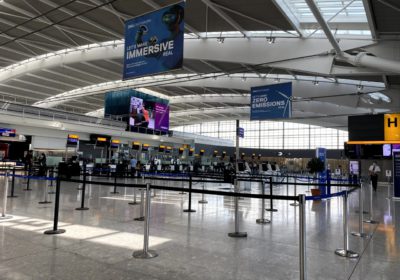
BA check-in area at Heathrow Terminal 3
The baggage allowance that wasn’t
The £131 was real, she explained. But the fare I’d paid didn’t include a checked baggage allowance, so I owed more to upgrade.
I pointed out the flaw. I had no bags. I didn’t want a baggage allowance, and I certainly wasn’t paying for one I’d never use.
That made no difference.
Here’s the part the desk seemed to have forgotten: a paid upgrade includes the upgraded cabin’s baggage allowance as standard. BA’s own upgrade terms say customers who buy an upgrade receive the full entitlements of the upgraded cabin, including increased baggage allowances.
You don’t pay extra for a perk that comes bundled. You aren’t topping up a missing bag. You’re buying a better seat.
No obligation, but no excuse
To be fair to BA, nobody is owed an upgrade. They can sell that Club Europe seat, or not, at whatever price they fancy.
What grates is the method.
You ask an honest question. You say yes at the quoted price. Then, only once they’ve taken your passport and pulled up exactly who you are, does the figure start to climb. Why not resist quoting a price until they’ve first established which fare bucket you’re upgrading from?
I’m not claiming to know whether a human, a tariff table or an algorithm caused it. I am saying the process looked shabby from the customer side. A quote appeared, I accepted it, and then the price changed twice before anyone could explain why.
That felt less like dynamic pricing and more like a moving target wearing a BA lanyard.
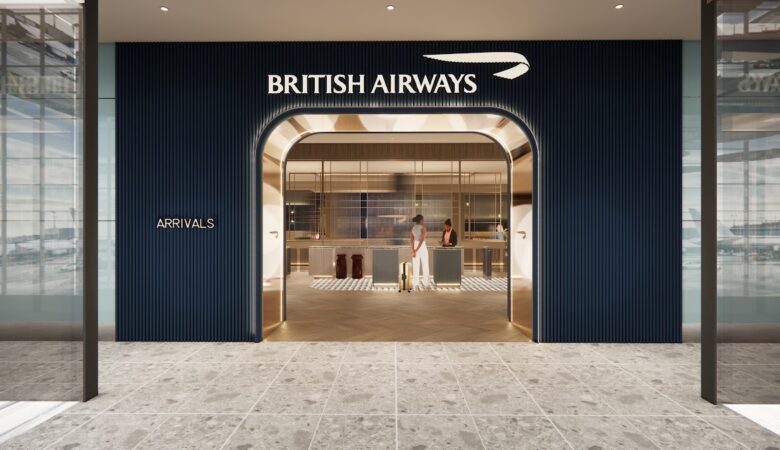
Terminal 3 BA Galleries Lounge entrance
Bickering at the desk
The pricing shambles was only half of it.
The desk agent and whoever she’d reached by phone couldn’t agree on the price, the process, or apparently the basic etiquette of speaking to a colleague.
They bickered. At one point they argued about how they were talking to each other, while I stood there holding my passport like a spare part.
I’ve had plenty of brisk, slightly chaotic airport moments. This felt different. Neither of them seemed sure of the rules, and neither would back down.
The empty seat
So I walked. They were happy to let me go. No upgrade, no apology for the charade, but at least my wallet was still intact.
I watched the Club Europe cabin during the flight, and the seat sat empty the whole way. BA had a premium seat to sell, fumbled a customer who actively wanted to buy it, then flew it up front with nobody in it. Everybody lost.
How the British Airways airport upgrade works
None of this should be hard.
The day-of upgrade is commonly known among frequent flyers as the Airport Upgrade Price, or AUP. BA sells these upgrades when premium seats remain available close to departure, usually on a first come, first served basis.
A British Airways airport upgrade exists precisely to fill seats that would otherwise fly empty. Mine did exactly that.
Prices can vary by route, cabin, fare type, availability and taxes. I’ll grant that day-of pricing is rarely an exact science. BA’s own wording also refers to the “current availability and price”, so I wouldn’t expect every passenger on every booking to see the same figure.
But a quote should hold for longer than the time it takes to hand over a boarding pass. And the reason for any increase should at least be true – was the issue really the baggage, or the fare bucket that the original ticket had been sold in?
This isn’t an isolated quirk. The whole upgrade path has felt muddier since the Club relaunch, and the gap between the advertised price and the price you actually pay keeps catching people out. You would think BA staff themselves would know, but even that proved to be false.
How to handle it
If you’re chasing a British Airways airport upgrade, do three things.
First, ask for the Airport Upgrade Price (AUP) by name. Before they process anything, confirm whether the figure quoted is the final amount payable, including any taxes or fare-related differences.
Second, note the price and the time. That gives you something concrete if the amount suddenly starts doing laps around the terminal – though prices may shift if seats start selling.
Third, be ready to walk. The seat is worth what you’ll pay, not what they hope you’ll panic into paying.
A British Airways airport upgrade should be the easiest sale BA makes all day. I’d have happily paid £131 for that seat. I’d probably have paid £153 if someone had simply said so with credibility.
What I won’t do is reward a moving target dressed up with an excuse that doesn’t survive 10 seconds of scrutiny.
I walked up to the lounge service desk with a simple question about a British Airways airport upgrade, which turned into an experience that felt a lot like bait and switch. How much would it cost to move up to Club Europe on my flight? What followed was less a transaction than a negotiation with someone who kept changing their mind.
The price that kept moving
To begin with, the agent quoted me £131. Reasonable, I thought, so I said yes and handed over my passport and boarding pass. Then the number changed.
‘That’s £173,’ she said, before catching herself. ‘That’s weird. Let me find out.’
A phone call later, the price had landed at £153. Same seat, same flight, same passenger, three different prices inside about two minutes.
So I asked the obvious question. Why wasn’t it £131, the figure she had just given me?
Her answer was where things got properly strange.
The baggage allowance that wasn’t
The £131 was real, she explained. But the fare I’d paid didn’t include a checked baggage allowance, so I owed more to upgrade.
I pointed out the flaw. I had no bags. I didn’t want a baggage allowance, and I certainly wasn’t paying for one I’d never use.
That made no difference.
Here’s the part the desk seemed to have forgotten: a paid upgrade includes the upgraded cabin’s baggage allowance as standard. BA’s own upgrade terms say customers who buy an upgrade receive the full entitlements of the upgraded cabin, including increased baggage allowances.
You don’t pay extra for a perk that comes bundled. You aren’t topping up a missing bag. You’re buying a better seat.
No obligation, but no excuse
To be fair to BA, nobody is owed an upgrade. They can sell that Club Europe seat, or not, at whatever price they fancy.
What grates is the method.
You ask an honest question. You say yes at the quoted price. Then, only once they’ve taken your passport and pulled up exactly who you are, does the figure start to climb. Why not resist quoting a price until they’ve first established which fare bucket you’re upgrading from?
I’m not claiming to know whether a human, a tariff table or an algorithm caused it. I am saying the process looked shabby from the customer side. A quote appeared, I accepted it, and then the price changed twice before anyone could explain why.
That felt less like dynamic pricing and more like a moving target wearing a BA lanyard.
Bickering at the desk
The pricing shambles was only half of it.
The desk agent and whoever she’d reached by phone couldn’t agree on the price, the process, or apparently the basic etiquette of speaking to a colleague.
They bickered. At one point they argued about how they were talking to each other, while I stood there holding my passport like a spare part.
I’ve had plenty of brisk, slightly chaotic airport moments. This felt different. Neither of them seemed sure of the rules, and neither would back down.
The empty seat
So I walked. They were happy to let me go. No upgrade, no apology for the charade, but at least my wallet was still intact.
I watched the Club Europe cabin during the flight, and the seat sat empty the whole way. BA had a premium seat to sell, fumbled a customer who actively wanted to buy it, then flew it up front with nobody in it. Everybody lost.
How the British Airways airport upgrade works
None of this should be hard.
The day-of upgrade is commonly known among frequent flyers as the Airport Upgrade Price, or AUP. BA sells these upgrades when premium seats remain available close to departure, usually on a first come, first served basis.
A British Airways airport upgrade exists precisely to fill seats that would otherwise fly empty. Mine did exactly that.
Prices can vary by route, cabin, fare type, availability and taxes. I’ll grant that day-of pricing is rarely an exact science. BA’s own wording also refers to the “current availability and price”, so I wouldn’t expect every passenger on every booking to see the same figure.
But a quote should hold for longer than the time it takes to hand over a boarding pass. And the reason for any increase should at least be true – was the issue really the baggage, or the fare bucket that the original ticket had been sold in?
This isn’t an isolated quirk. The whole upgrade path has felt muddier since the Club relaunch, and the gap between the advertised price and the price you actually pay keeps catching people out. You would think BA staff themselves would know, but even that proved to be false.
How to handle it
If you’re chasing a British Airways airport upgrade, do three things.
First, ask for the Airport Upgrade Price (AUP) by name. Before they process anything, confirm whether the figure quoted is the final amount payable, including any taxes or fare-related differences.
Second, note the price and the time. That gives you something concrete if the amount suddenly starts doing laps around the terminal – though prices may shift if seats start selling.
Third, be ready to walk. The seat is worth what you’ll pay, not what they hope you’ll panic into paying.
A British Airways airport upgrade should be the easiest sale BA makes all day. I’d have happily paid £131 for that seat. I’d probably have paid £153 if someone had simply said so with credibility.
What I won’t do is reward a moving target dressed up with an excuse that doesn’t survive 10 seconds of scrutiny.
The seat flew empty. So did the logic.
Read: BA A320 Club Europe London to Sofia Review – when I received a complimentary upgrade.
Related Articles
Virgin Atlantic app: bold rebuild, will be great when it’s finished
British Airways A380 Club Suites: Too Late To Impress?
When will all the 777 BA aircraft at Gatwick get Club Suites?
Is Spirit’s Closure a Sign of How Dire the Low-Cost Business Model Has Become?