
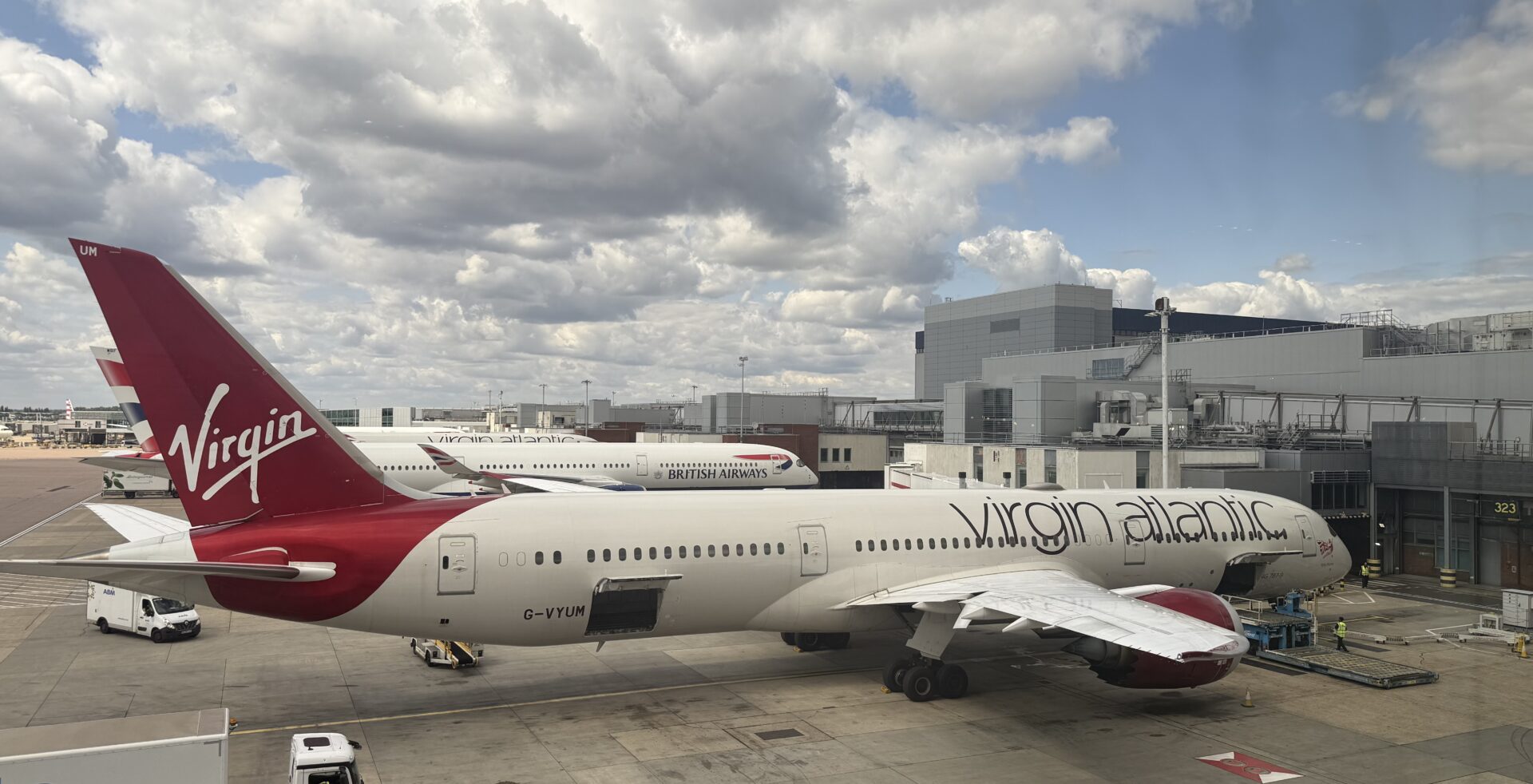

I’ve got a few hundred thousand Virgin Points and a Flying Club reward voucher valid until 2028. I’ve also got a Virgin Money credit card, a recurring annual fee, and a growing suspicion that I’m not getting enough value out of this arrangement.
Good news first: if you already hold a voucher, cancelling the card won’t take it away. I’ve covered what happens to the voucher when you cancel separately.
This piece answers the harder question. Is the next voucher worth earning? After a fortnight of pricing reward seats, I don’t think it is.
What A Flying Club Reward Voucher Is Actually Worth
Let’s start with what you’re chasing.
| Flying Club tier at redemption | Voucher value |
|---|---|
| Red | Up to 75,000 Virgin Points |
| Silver | Up to 150,000 Virgin Points |
| Gold | Up to 150,000 Virgin Points |
Note that Silver and Gold get exactly the same Flying Club reward voucher cap. That’s worth saying out loud, because Virgin’s marketing leans hard on Gold. If a 150,000-point ceiling disappoints a Gold member who’s flown all year, it disappoints a Silver member who barely tried.
Three rules do most of the damage. The value follows your tier at the moment you redeem, not when you earned it. If the reward costs more than the cap, you pay the difference in points. And if it costs less, you don’t keep the change: section 5.4.3 of the Flying Club terms says the voucher is redeemed in full, with no points retained.
So it isn’t a flexible 150,000-point credit. It’s a single-use discount with awkward edges.
To earn one, you’ll spend £10,000 on the £160-a-year Reward+ card, or £20,000 on the free Reward card. Either way you’re making a deliberate spending decision to chase it.
Upper Class Pricing Kills The Card
Virgin now prices every reward seat dynamically. Section 4.2.1 of the terms confirms it: every seat on every Virgin-operated flight can be bought with points unless the cabin is sold out, and the price varies with demand.
In theory, more choice. In practice, you can find an Upper Class seat available with points and still laugh at the screen.
Saver seats are the exception, and they’re good. Virgin publishes London to New York Upper Class Saver seats from 29,000 points one way, and London to Los Angeles from 41,000. The published Saver ceilings are reassuring too: 47,500 points for New York in standard season, 57,500 in peak.
But those are Saver seats, and they’re limited. Once they’re gone, dynamic pricing takes over and there is no ceiling.
On the dates I checked, Upper Class was routinely pricing around 200,000 points one way. The worst I saw was 350,000. That’s 700,000 Virgin Points return, for one person.
Now add the voucher. A Silver or Gold Flying Club reward voucher covers 150,000 points of your companion’s seat. If that seat also prices at 700,000 return, you’re paying 550,000 points for the companion on top of your own 700,000.
Two people, one return trip: 1,250,000 Virgin Points and a voucher.
At 1.5 Virgin Points per £1 on the Reward+ card, you’d need to spend roughly £833,000 on everyday purchases to get there. That’s before the £160 annual fee, the cash surcharges, or the faint whiff of madness.
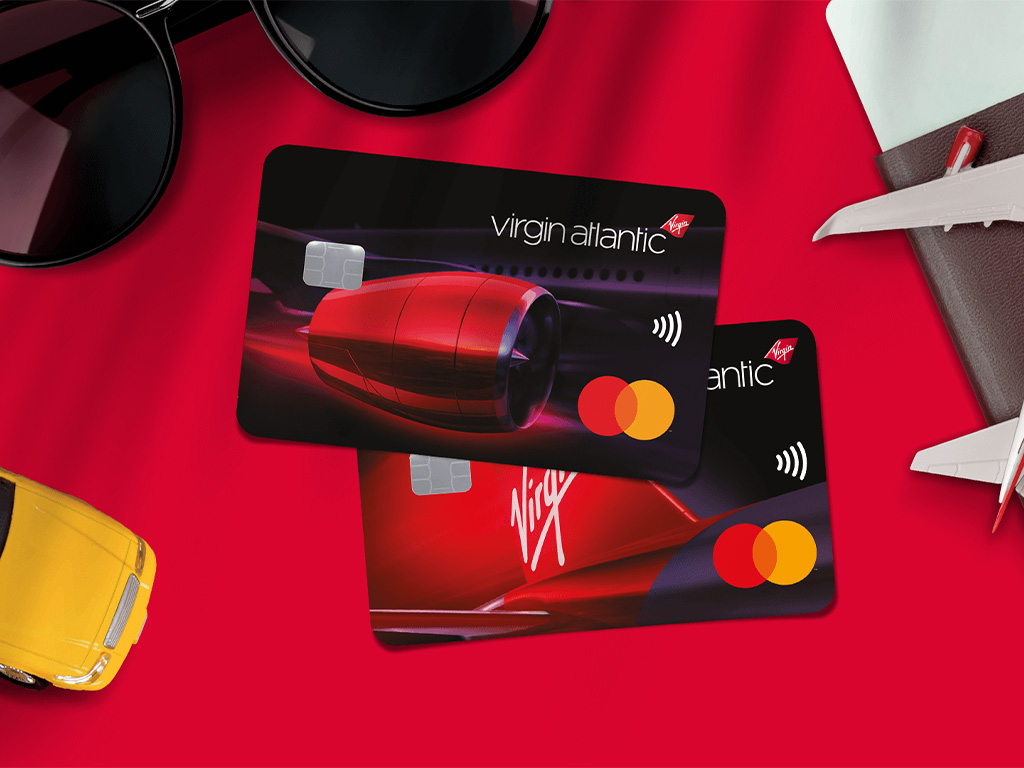
Points Are Not Monopoly Money
There’s a second way to look at that 700,000-point seat, and it’s worse.
Value Virgin Points at roughly 1p each and a 700,000-point return carries an implied value of £7,000. A 150,000-point voucher therefore hands you a £1,500 discount.
All of which only holds if the seat is actually worth £7,000.
Virgin runs Upper Class sales. If the same return seat sells for £3,500 cash, your redemption doesn’t reprice itself. You still hand over 700,000 points, and you’re now getting 0.5p per point. Your voucher has halved too, saving you closer to £750 against the real price of the seat.
And that’s before the cash element on the reward booking.
This is why I’d never judge a Virgin redemption by the points price alone. Check Google Flights for your exact dates first, and not only Virgin Atlantic. The real comparison isn’t Virgin Points against Virgin cash. It’s points, a voucher and surcharges against the best cash fare you can actually buy.
Sometimes Virgin wins. On high-priced Upper Class rewards, increasingly it doesn’t.
The Voucher Doesn’t Beat Dynamic Pricing
In the old loyalty fantasy, points protected you from expensive cash fares. Cash prices rose, reward charts stayed fixed, and sweet spots appeared in the gap.
Dynamic pricing breaks that model. If cash fares are high because demand is high, reward prices follow. So the voucher isn’t protecting you from expensive dates. It’s giving you a capped discount against the same demand-driven problem.
That’s the part I keep coming back to. You can spend £10,000 on the card, fly enough to reach Gold, and still find yourself hundreds of thousands of points short of the Upper Class redemption the marketing implied.
The Cash Charges Hurt Too
Reward seats aren’t free flights. Section 4.1.6 spells it out: points cover the fare, and you pay money for taxes, fees, charges and carrier-imposed surcharges.
Those bite hardest in Premium and Upper Class. On some transatlantic routes the cash element runs into several hundred pounds each way. A companion booking means paying it twice.
So: spend heavily on the card, wait for the voucher, hunt scarce availability, top up with points above the cap, then hand over a large cash sum. At what point does the reward start to look like work?
Premium Isn’t The Safe Middle Ground
The obvious retreat is to forget Upper Class and use the voucher on Premium.
I’m not convinced. Premium has lower headline points pricing, but it suffers the same dynamic pricing logic and the same cash charges. High demand still means a high reward price.
The voucher can work in Premium if you find scarce Saver availability, or you’ve already got a specific Virgin trip in mind. That’s a lucky outcome after a lot of searching, not a reason to hold a credit card.
Economy Is Even Worse
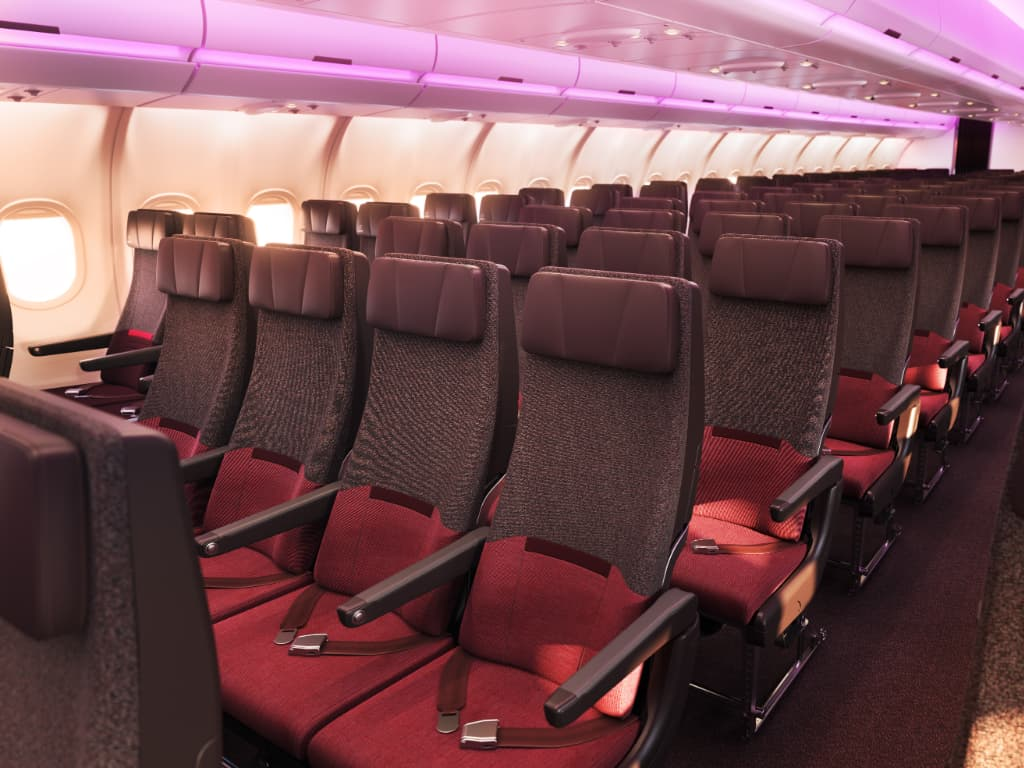
Economy tempts you because the headline prices look absurdly low. Saver seats to New York start at 6,000 points one way.
Using a Flying Club reward voucher there is usually a waste. The points price is low, but the cash element barely moves, and on a long-haul redemption it can still run to a few hundred pounds.
Think about what you did. You spent £10,000 or £20,000 on a card. You found availability. You phoned Virgin. You burned a voucher worth up to 150,000 points on a seat priced at 6,000. Then you paid a substantial cash amount anyway.
Or you could wait for an economy sale and buy the ticket. That earns Virgin Points. It earns tier points. It avoids the call centre. It keeps the voucher for something less depressing.
If the best use you can find for a voucher is long-haul economy, the card has already lost the argument.
Upgrades Don’t Fix It
The upgrade option sounds better. Buy a Premium ticket, use the voucher to upgrade into Upper Class, pay the extra surcharges.
This can work. But upgrade pricing is dynamic too, so on a busy date the upgrade cost blows straight through the cap, and Red members hit that wall almost immediately. You end up with a paid Premium ticket, a spent voucher, more points to find, and extra cash charges.
You may still beat a full cash Upper Class fare. But this isn’t the clean aspirational perk the marketing wants you to picture. It’s another dynamic pricing calculation with a call centre attached.
Who Might Still Get Value?
The card isn’t useless. You may still do well if you:
- spend heavily on the card without ever paying interest
- travel flexibly, outside peak dates and school holidays
- reliably find Saver availability in the cabin you want
- already hold Silver or Gold, so the cap sits at 150,000
- already collect Virgin Points from other sources
- compare every redemption against real cash fares before booking
That’s a lot of ifs. The Reward+ card’s 1.5 points per £1 is respectable. But the voucher is meant to be the headline reason to care, and the headline now comes with a page of caveats.
My Take
The Flying Club reward voucher doesn’t do enough against Virgin’s current reward pricing.
Upper Class is the cabin people want, and it’s where prices turn ridiculous and surcharges stay high. Premium isn’t reliably better once you check cash fares. Economy makes almost no sense. Upgrades inherit every problem the reward seats have.
So I’ll use the voucher I’ve got, if I can find a redemption that doesn’t offend basic arithmetic. Then I’ll close the card. I’m not paying an annual fee and routing five figures of spend through it to earn another capped discount against a chart that no longer behaves like a chart.
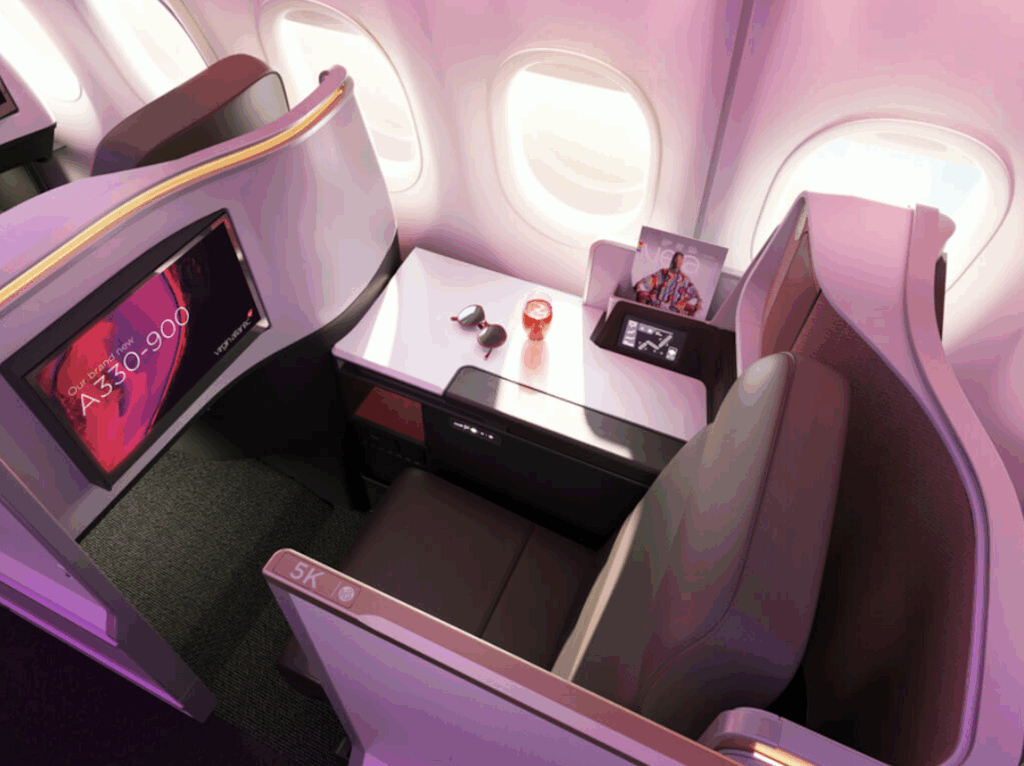
Before you spend a single point, check Google Flights for your exact dates and compare every credible airline on the route. The Flying Club reward voucher isn’t a golden ticket to Upper Class. It’s a capped discount against a moving target, and the target is moving the wrong way. The new Upper Class seat is lovely. The maths behind this promotion isn’t.
Give us a follow on TikTok and Instagram. Check out our videos on the BoardingGroup.One YouTube channel.



Leave a Reply