

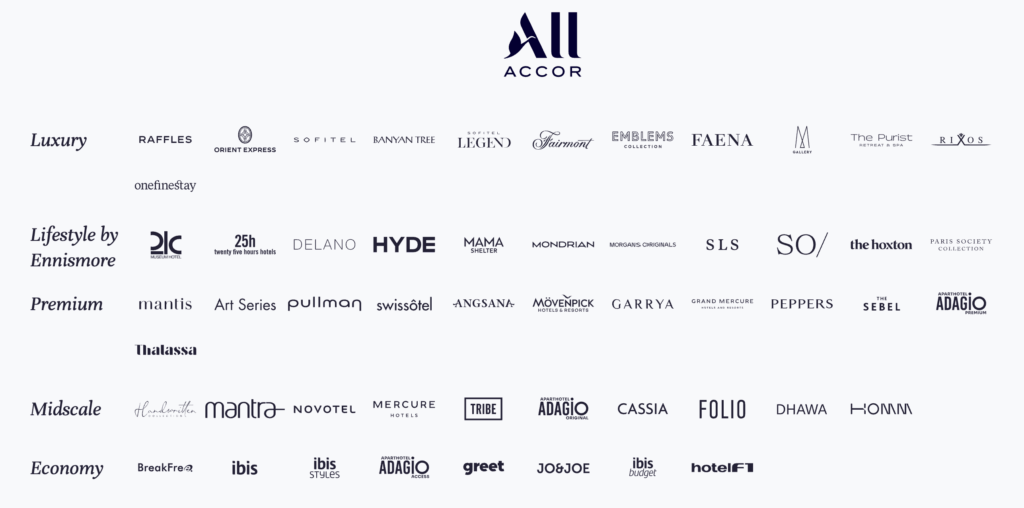
Accor is much bigger than most people realise. You probably know Novotel, ibis, Mercure and Sofitel, but the same family runs from roadside rooms in rural France to Raffles, Fairmont and some very expensive resorts. With more than 45 names, 5,800+ hotels and a presence in over 110 countries, our Accor hotel brands guide sorts the portfolio from Orient Express at the top to hotelF1 at the bottom. Along the way you’ll meet aparthotels (hotel rooms with a kitchen), all-inclusive resorts, boutique collections and several brands that defy any description beyond the word ‘lifestyle’.
Intro to Accor
Accor’s story starts in 1967, when Paul Dubrule and Gérard Pélisson opened the first Novotel at Lille in northern France. The company launched ibis in 1974, bought Mercure in 1975 and added Sofitel in 1980. That order explains a lot: Accor grew from European midscale and budget hotels first, and bought most of its luxury names much later.
Those later deals brought in Fairmont, Raffles and Swissôtel in 2016, then Mantra Group in Australia. Ennismore, Accor’s lifestyle arm, adds names such as The Hoxton, Mama Shelter, 25hours and SLS. Accor now sorts everything into five groups: Luxury, Lifestyle, Premium, Midscale and Economy. That sounds tidy until you try to squeeze all 45 Accor hotel brands from this guide into five boxes.
Geographical focus areas
Accor is strongest across Europe, the Middle East, Asia-Pacific and Australia. Its French roots show in Europe, where Mercure, Novotel and the three ibis brands turn up in plenty of smaller cities that Hilton and Marriott barely touch. Only Radisson comes close to that European spread. Asia gets the full range, from ibis and Mercure through Pullman and Grand Mercure to Sofitel, Fairmont, Raffles and Banyan Tree.
Australia and New Zealand form another stronghold, thanks to regional brands such as Mantra, Peppers, BreakFree, Art Series and The Sebel. Accor seems happier than its rivals to run brands that only make sense in one region. That’s why a few Accor hotel brands in this guide will be new to UK readers, even though every Australian knows Mantra. North America is the odd one out. Fairmont has a big presence there, and several lifestyle brands started in the US, but none of the Accor hotel brands in our guide comes close to the roadside reach of Hilton, Marriott or IHG.
List of Accor hotel brands (most luxurious to budget)
The pecking order below is approximate. A lavish SLS can cost more than a Sofitel, a good MGallery can beat a supposedly posher hotel, and some lifestyle brands resist any ranking at all. This guide groups the Accor hotel brands roughly by price and polish, from the top down.
Orient Express
Aimed At: Travellers who want something far more exclusive than a standard five-star chain
What to expect: A handful of hotels in major historic buildings, with prices to match
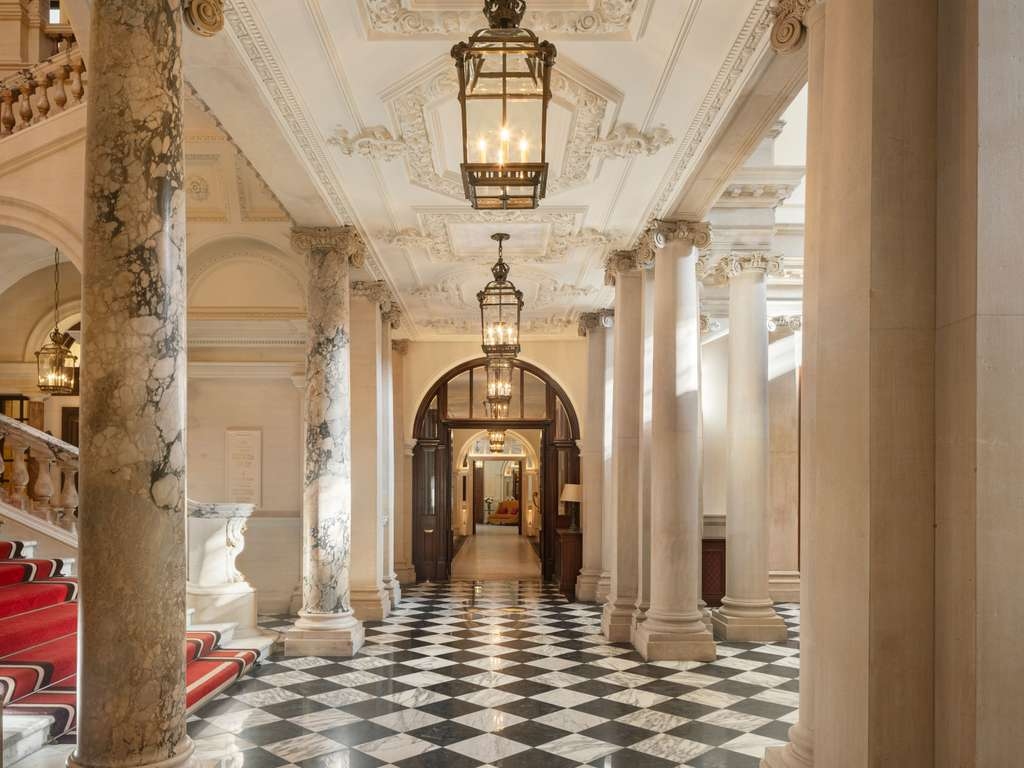
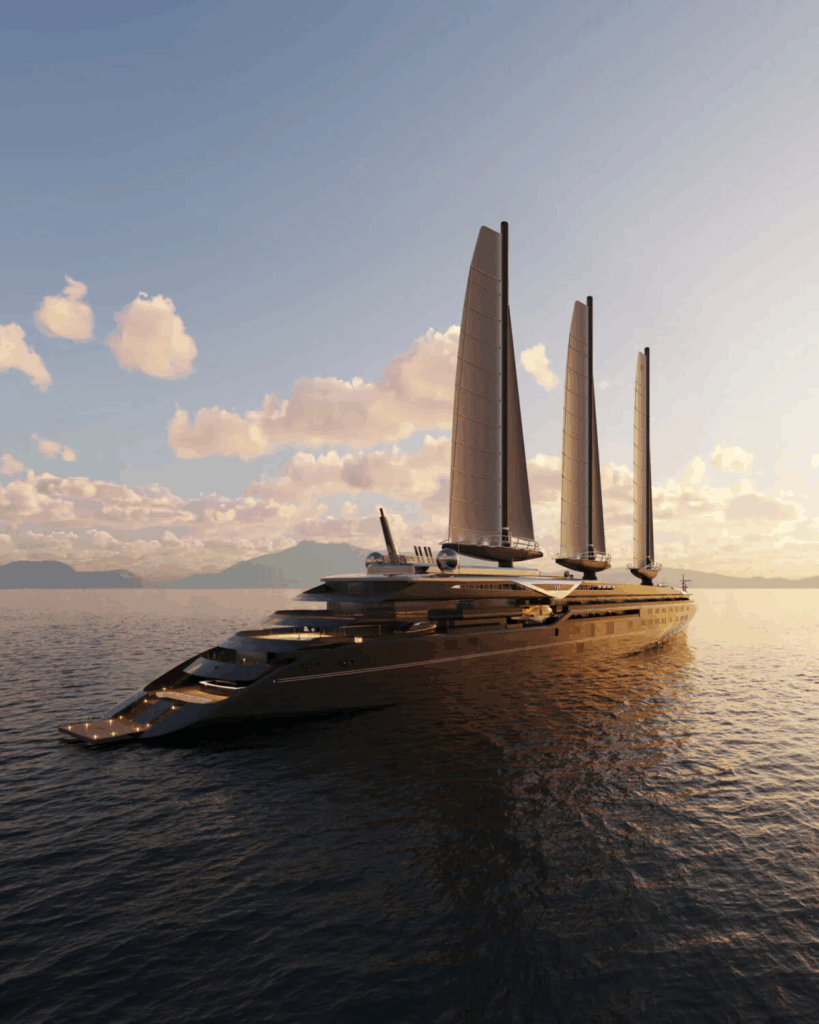
Famous for: Carrying the famous train name into hotels, and now even a sailing yacht
Orient Express sits at the very top of our guide to the Accor hotel brands, and it has no plans to become a large chain. Its first hotel opened in Rome in 2025, and more will follow slowly. If ibis is Accor at its most practical, Orient Express is Accor after a lottery win.
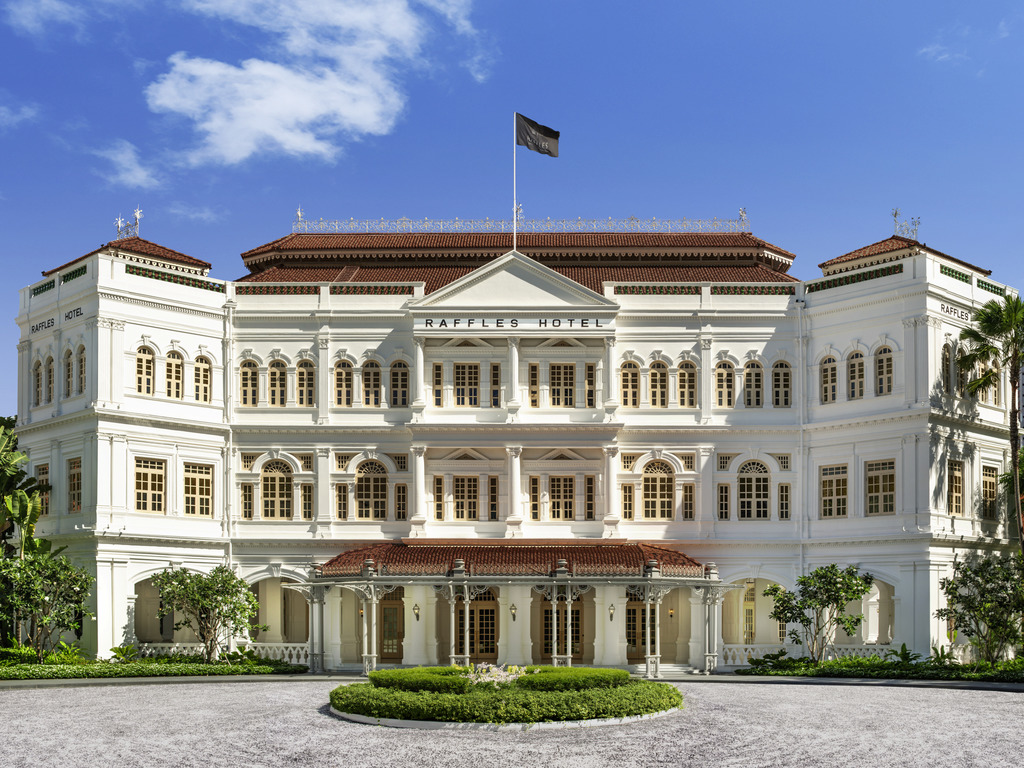
Raffles
Aimed At: Luxury travellers who care about service, history and landmark buildings
What to expect: Large rooms and suites, serious restaurants and bars, and butler service
Famous for: Raffles Singapore and the Singapore Sling
Raffles is Accor’s best-known traditional luxury name. The original Raffles Singapore opened in 1887, and the brand now reaches London, Paris, Dubai, Istanbul and the Maldives. Think doormen and afternoon tea rather than DJs by the rooftop pool.
Fairmont
Aimed At: Luxury leisure and business travellers who like big, established hotels
What to expect: Grand city hotels, resorts and golf, often in buildings that look like castles
Famous for: Fairmont Banff Springs and Fairmont Le Château Frontenac in Canada
Fairmont is the easiest Accor luxury brand to grasp: big, traditional five-star hotels, several of them the best-known address in town. The brand is strongest in Canada, where the old Canadian Pacific Railway hotels give it some magnificent buildings. In London, Fairmont manages The Savoy, although that hotel keeps its own name. Not every Fairmont is a château, but if you like old-school grandeur, this is a safe place to start.
Emblems Collection
Aimed At: Travellers who prefer one-off luxury hotels to recognisable chains
What to expect: Smaller properties with their own design and very little uniformity
Famous for: Bringing independent luxury hotels into Accor without turning them into Sofitels
Emblems Collection is Accor’s luxury collection brand, so the individual hotel counts for more than the badge. You’re meant to remember the building and the location, not the furniture catalogue. Marriott’s Luxury Collection and Hilton’s LXR work on the same model.
Sofitel Legend
Aimed At: Travellers who want the most historic end of Sofitel
What to expect: Landmark buildings, lavish rooms and a very small collection
Famous for: Being the rarer, posher sibling of Sofitel
Sofitel Legend is not just Sofitel with nicer toiletries. Every property has real historical weight, and Accor keeps the list deliberately short. Where regular Sofitel competes with other five-star city hotels, Legend edges towards the landmark territory Raffles occupies.
Sofitel
Aimed At: Business and leisure travellers who want a full-service five-star hotel
What to expect: Proper restaurants, generous rooms, spas at many hotels and a French accent throughout
Famous for: Putting a French stamp on international luxury
Of the luxury names in this Accor hotel brands guide, Sofitel is the one most European travellers will meet first. The French touches run from the bedding to the menus, but underneath these are standard five-star city hotels. It’s bigger and more uniform than Raffles, clearly smarter than Pullman, and sits alongside InterContinental, Conrad and JW Marriott.
MGallery Collection
Aimed At: Boutique hotel fans who still want the backing of a major group
What to expect: Historic conversions and unusual buildings, with little visual consistency
Famous for: Hotels that rarely feel like chain properties
MGallery gathers upscale hotels under one umbrella while letting each keep its own identity, so there’s no such thing as a standard MGallery bedroom. Quality varies from one to the next, but that’s the point. If we’d rather stay in a converted monastery than a glass tower with 400 identical rooms, MGallery is usually where we look first.
Banyan Tree
Aimed At: Luxury resort travellers, especially couples and honeymooners
What to expect: Private villas, pools and large spas in places you may never want to leave
Famous for: High-end Asian resorts and a long history of spa treatments
Banyan Tree isn’t wholly owned by Accor. It joined through a partnership with Banyan Group that covers bookings and loyalty, so for guests it sits inside the Accor world. Properties lean heavily towards villas and privacy, so look elsewhere if you need a business hotel next to Frankfurt Hauptbahnhof.
Faena
Aimed At: Wealthy travellers who want art and nightlife mixed into their hotel
What to expect: Bold interiors, big-name restaurants, live shows and very little beige
Famous for: Faena Miami Beach
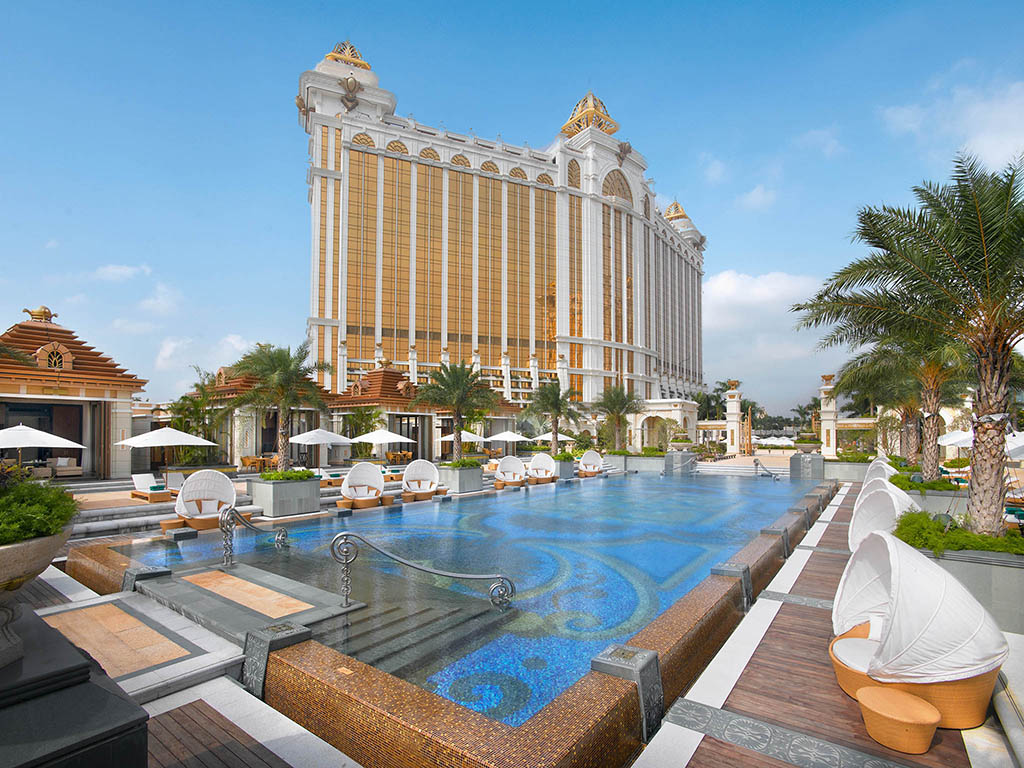
Faena is tiny next to almost every other Accor brand, and far more theatrical. Each hotel blends rooms with restaurants, art and entertainment, with little interest in subtlety. It’s the opposite of a brand built so business travellers know exactly where the desk lamp will be.
21c Museum Hotels
Aimed At: Art lovers on US city breaks
What to expect: A hotel combined with a free, public contemporary art museum
Famous for: Real exhibitions, not three abstract prints behind reception
21c started in Louisville, Kentucky, and remains almost entirely American. The galleries open to the public, so the art does real work rather than justifying the words ‘design-led’. It’s one of the clearest ideas in Accor’s lifestyle range.
25hours Hotels
Aimed At: Travellers who avoid beige corporate hotels on principle
What to expect: Playful rooms, lively restaurants and bars, and plenty of odd details
Famous for: Its ‘if you know one, you know none’ motto
No two 25hours hotels look alike: one borrows heavily from its neighbourhood, while the next goes completely off-piste. That makes the brand less predictable than Novotel or Pullman, but far more fun. The restaurants and bars pull their weight too, drawing in locals rather than serving guests who vanish upstairs after check-in.
Delano
Aimed At: Luxury travellers who want design and nightlife, with less noise than SLS
What to expect: Minimalist interiors, fashionable restaurants and a strong resort feel
Famous for: The original Delano South Beach, which helped define Miami’s boutique hotel era
Delano is one of Ennismore’s revived luxury names. It sits towards the pricier end of the lifestyle range, but takes a more restrained approach than SLS. Think relevant, without trying quite so hard to prove it.
Hyde
Aimed At: Younger travellers who want their hotel tied to nightlife
What to expect: Music, bars, restaurants and pools built for socialising
Famous for: Growing from a nightlife brand into hotels
Hyde sits somewhere between hotel and social club, with music, food and drink front and centre. That makes it very different from Accor’s traditional names. If you want an early night before a 06:00 flight, we’d book somewhere else.
JO&JOE
Aimed At: Young, budget-conscious travellers who don’t mind sharing
What to expect: Dorms, private rooms, a bar and large communal areas
Famous for: Being Accor’s take on the modern hostel
JO&JOE is one of the odder Accor hotel brands in our guide, which is exactly what makes it interesting. Some rooms are shared dorms, others are fully private, and the whole place leans social and informal. Accor files it under Economy, and it’s aimed squarely at travellers who’d rather spend their money outside the hotel.
Mama Shelter
Aimed At: City travellers who care more about food and atmosphere than formal service
What to expect: Colourful rooms, busy restaurants and rooftop bars
Famous for: Hotels where locals actually choose to eat and drink
Mama Shelter started in Paris and has spread across Europe and beyond. The rooms are fairly simple, and the restaurants, bars and shared areas do most of the heavy lifting. You don’t book one for a marble bathroom; you book it because you’d rather stay somewhere lively.
Mondrian
Aimed At: Design-conscious travellers after a high-end city or resort hotel
What to expect: Bold interiors, big restaurants, destination bars and some serious nightlife
Famous for: Statement design in fashionable locations
Mondrian sits near the top of Ennismore’s range. Rooms are bigger and plusher than at The Hoxton, while the whole thing is less formal and far more fashion-aware than Sofitel. Picture a five-star hotel crossed with a design magazine.
Morgans Originals
Aimed At: Fans of distinctive boutique hotels rather than a repeatable formula
What to expect: One-off properties where the hotel’s own name carries the weight
Famous for: Keeping alive the legacy of Morgans Hotel Group
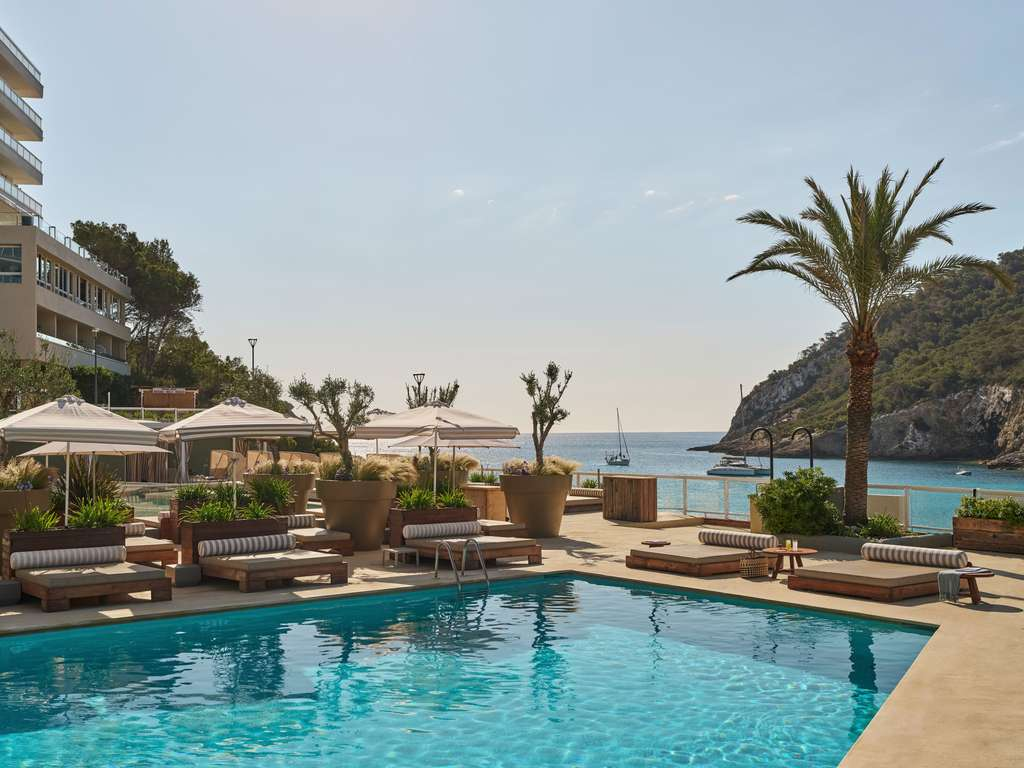
Morgans Hotel Group helped invent the modern boutique hotel through Morgans in New York and the original Mondrian. Morgans Originals now works as a collection rather than a chain. Don’t expect matching reception desks from one property to the next.
Our Habitas
Aimed At: Affluent leisure travellers drawn to nature, wellness and group activities
What to expect: Small resorts in remote spots, with lots to do outside your room
Famous for: Its desert resort at AlUla in Saudi Arabia
Our Habitas feels nothing like a traditional luxury resort. Rooms can be fairly simple, while yoga, music, outdoor trips and communal dinners take centre stage. You’re paying for where you are and what you do there, not for six types of marble in the bathroom.
Paris Society Collection
Aimed At: Food lovers who follow the Paris restaurant scene
What to expect: A tiny, eclectic set of hotels run by a Paris restaurant and events group
Famous for: Its Paris restaurants, clubs and event venues rather than its hotels
Paris Society became Accor’s newest hotel brand in December 2025, through Ennismore. The hotel side is small: four properties, including a converted abbey outside Paris and a ski lodge above Val d’Isère. Check the loyalty small print before booking, as only one of the four currently earns Accor loyalty points.
Rixos
Aimed At: Resort-goers who’d rather not sign a bill every time they order a drink
What to expect: Huge pools, several restaurants, kids’ clubs and all-inclusive packages
Famous for: Taking all-inclusive resorts upmarket
Rixos is strongest in Turkey and the Middle East, and many of its resorts are enormous. The appeal is simple: five-star facilities on an all-inclusive basis, which removes the mental arithmetic from every meal and cocktail. Families are a big market, though several resorts cater to adults too.
SLS
Aimed At: Luxury travellers who want their hotel to come with a social life
What to expect: Eye-catching interiors, large restaurants, rooftop pools and nightlife
Famous for: Hotels in Miami, Dubai, Barcelona and the Bahamas
SLS is not subtle. The hotels are big, bold and deliberately theatrical, and the contrast with traditional luxury is obvious the moment you walk in. Fairmont wants to impress you with the building, while SLS would rather impress you with the party on the roof.
SO/
Aimed At: Fashion-conscious luxury travellers
What to expect: Strong visual themes and designer collaborations
Famous for: Working with fashion designers on interiors and staff uniforms
SO/ grew out of Sofitel but now sits within Ennismore. It drops most of the French formality and turns the design up to full volume. Whether that appeals depends on how you feel about a hotel where someone clearly held several meetings about the reception team’s jackets.
The Hoxton
Aimed At: City-breakers and younger business travellers who want something less corporate
What to expect: Compact rooms, busy lobbies and good restaurants in interesting neighbourhoods
Famous for: Lobbies full of MacBooks belonging to people who may not be guests
The Hoxton’s model is clever: rooms stay compact because the lobby, restaurant and bar do more of the work. The hotels sit in neighbourhoods you’d want to explore anyway, and locals use them as much as guests do. Expect to pay more than at a standard midscale hotel, mostly for location and atmosphere rather than square metres.
Pullman
Aimed At: Upscale business and leisure travellers
What to expect: Large hotels with proper gyms, meeting rooms and restaurants
Famous for: Sitting neatly between Novotel and Sofitel
Pullman is Accor’s mainstream premium business hotel, and one of the easiest brands to place. Rooms are smarter and facilities bigger than at Novotel, without the full five-star treatment of Sofitel. If work is paying and the travel policy won’t stretch to Sofitel, this is often where you’ll end up.
Swissôtel
Aimed At: Premium business and leisure travellers
What to expect: Large city hotels, modern rooms and a focus on fitness and wellbeing
Famous for: Swiss branding and a strong presence in major Asian cities
Swissôtel joined Accor in 2016, along with Fairmont and Raffles, when Accor bought their parent company, FRHI. Despite the name, don’t expect cuckoo clocks and fondue at reception. It overlaps heavily with Pullman, though Swissôtel leans slightly more towards traditional full service.
Mövenpick
Aimed At: Business and leisure travellers after an upscale full-service hotel
What to expect: Generous rooms, good restaurants and pools at many resort hotels
Famous for: Swiss roots and the daily Chocolate Hour at many hotels
Yes, it shares its name with the ice cream. The two businesses now run separately, but the hotels kept their Swiss food credentials, and they compete directly with Pullman and Swissôtel. That focus on food gives Mövenpick some identity in a segment where brands can feel very interchangeable.
Mantis
Aimed At: Travellers after safari lodges, boutique hotels and nature-based stays
What to expect: A very mixed collection, from African wildlife lodges to historic hotels
Famous for: Its roots in conservation and African safari tourism
Mantis is a collection rather than a chain, so the name tells you little about your room. What links the properties is character, nature and location. Some of its safari lodges look nothing like anything else in Accor’s premium tier.
Art Series
Aimed At: Travellers interested in contemporary Australian art
What to expect: Each hotel built around one Australian artist’s work
Famous for: Naming every hotel after an artist
Art Series is Australian and remains almost entirely based there. Each hotel takes its name and look from one contemporary artist, whose work fills the rooms and public areas. It sits somewhere between a standard upscale hotel and a boutique collection.
Grand Mercure
Aimed At: Travellers who want something smarter and more local than standard Mercure
What to expect: Larger rooms, better facilities and design drawn from the region
Famous for: A strong network across Asia-Pacific
Grand Mercure is Mercure moved up a notch, with more money spent on rooms, food and facilities. Accor uses it heavily in Asia, where the hotels lean on local architecture and design. Think premium regional hotel rather than Mercure with an extra cushion.
Read: The Hilton Garden Inn Rebouças becomes a Grand Mercure
Angsana
Aimed At: Couples, families and groups looking for a resort stay
What to expect: Big spas, resort facilities and lower prices than Banyan Tree
Famous for: Being Banyan Tree’s more relaxed sibling
Angsana arrived through the same Banyan Group partnership as Banyan Tree. You still get resort locations, spas and plenty of facilities, but the brand targets a wider market. That often makes it the better fit for families.
Peppers
Aimed At: Upscale leisure travellers in Australia and New Zealand
What to expect: Boutique hotels and resorts in wine regions, beach towns and cities
Famous for: Smaller properties with more character than Accor’s mainstream premium chains
Peppers joined Accor when it bought Mantra Group in 2018, and it remains firmly Australasian. It fills an appealing middle ground between a one-off boutique hotel and a predictable chain. If you’re touring Australia rather than working there, Peppers is likely to be more interesting than Pullman.
The Sebel
Aimed At: Business and leisure travellers who want more room than a standard hotel
What to expect: Studios, suites and serviced apartments, often with kitchens and laundry
Famous for: A strong network in Australia and New Zealand
The Sebel works best for longer stays. Rather than pretending a kettle next to the TV counts as self-catering, many properties give you a real apartment. That makes it a good choice for families and anyone staying more than a night or two.
Handwritten Collection
Aimed At: Fans of independent hotels who still want the perks of a major group
What to expect: Smaller properties with their own interiors and few chain rules
Famous for: Bringing independent midscale hotels into Accor without turning them into Mercures
Handwritten does for the midscale market roughly what MGallery does further up. The individual hotel comes first, and one Handwritten property may look nothing like the next. We see that as a plus, because now and then we’d like to wake up and know which city we’re in without opening the curtains.
Novotel
Aimed At: Families and business travellers
What to expect: Restaurants, meeting rooms, decent-sized bedrooms and family-friendly facilities
Famous for: Being Accor’s original hotel brand
Novotel dates back to 1967 and remains one of Accor’s biggest names. It’s more standardised than Mercure, which makes it less exciting but more predictable. Many hotels have sofa beds, pools and child-friendly policies, and for business trips it’s the hotel equivalent of sensible shoes.
Mercure
Aimed At: Mainstream business and leisure travellers
What to expect: Wide variation from one hotel to the next, especially in Europe
Famous for: Being almost everywhere
Mercure is hard to sum up because its hotels vary so much. Some are modern purpose-built blocks, others occupy historic buildings, and standards differ to match. The upside is more character, but the Mercure name above the door tells you far less than the word Novotel would.
TRIBE
Aimed At: Design-conscious travellers who don’t want to pay luxury prices
What to expect: Compact rooms, stylish shared areas and fewer full-service frills
Famous for: Making midscale hotels look more expensive than they are
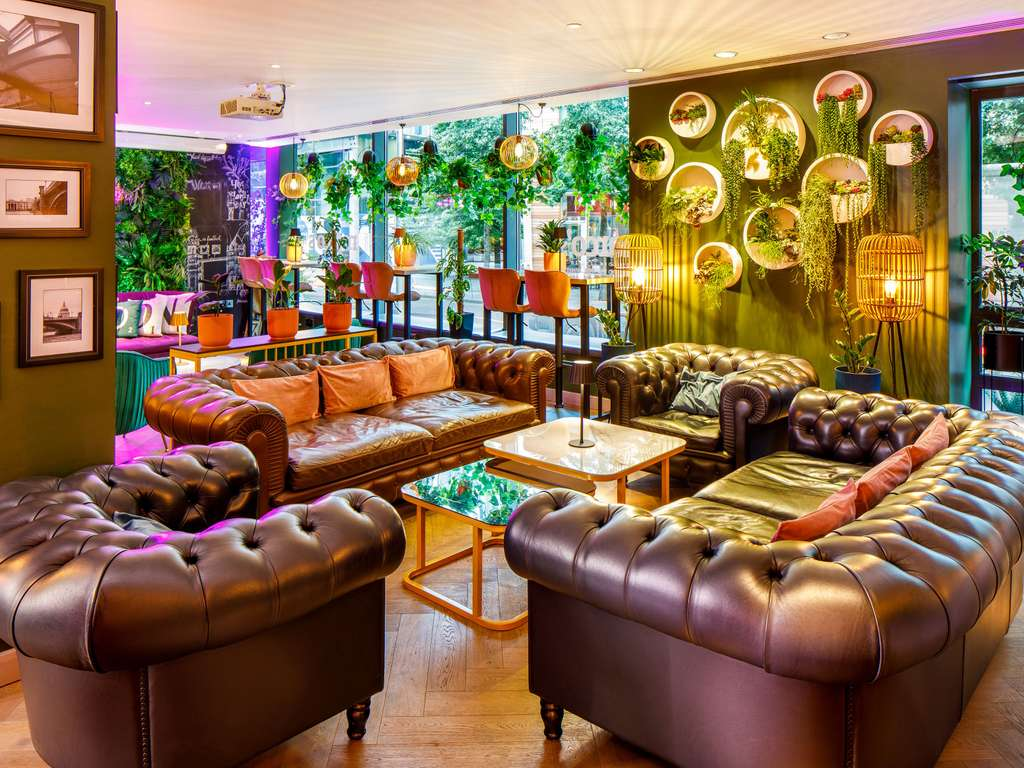
TRIBE started in Australia and has grown fast. The idea is to spend on the things guests notice, such as the lobby, bar and restaurant, and save on the things they don’t. It’s Accor’s answer to travellers who find midscale hotels dull but don’t fancy Hoxton prices.
Adagio
Aimed At: Longer-stay business travellers, families and anyone who’d like a fridge
What to expect: Apartments with kitchens, living areas and lighter hotel services
Famous for: Bringing self-catering into the Accor network
Adagio runs aparthotels rather than standard hotels, with pricing built around longer stays. Service is lighter than at Novotel or Mercure, and a simpler Adagio Access tier sits below the main brand. For a week-long city stay, we’d happily swap room service for somewhere to keep actual milk.
Mantra
Aimed At: Families and leisure travellers, mainly in Australia
What to expect: Hotels, apartments and resorts, often with kitchens and laundry
Famous for: A huge footprint across Australian holiday spots
Mantra came with the 2018 Mantra Group deal and covers a broad mix of properties. Apartment-style rooms feature heavily, which suits families and longer holidays. British travellers rarely come across it until they land in Australia, where it seems to be everywhere.
Neqta
Aimed At: Midscale travellers in China
What to expect: Modern city hotels aimed at the Chinese domestic market
Famous for: Being one of Accor’s least familiar brands in Europe
Neqta is probably the least familiar entry in our Accor hotel brands guide, and it shows how happy Accor is to keep some names regional. It has only a couple of hotels, both in China, and targets domestic business and leisure trips. Most UK travellers won’t meet it unless they search for a hotel there.
ibis
Aimed At: Value-conscious leisure and business travellers
What to expect: Compact rooms, simple service and very predictable standards
Famous for: Being one of the world’s largest economy hotel brands
ibis is the hotel chain idea in its purest form: you know roughly what you’ll get before you arrive. Rooms are small and facilities basic, but they’re usually modern, private and functional. Before an early train or flight, that predictability beats a chandelier.
ibis Styles
Aimed At: Budget travellers who want something less plain than standard ibis
What to expect: Colourful themed interiors, with breakfast often included depending on the market
Famous for: Giving each hotel its own design
ibis Styles has more personality than regular ibis, if not always a higher price. Each hotel picks its own theme, and some work better than others. If the prices match, we’d take the Styles, because a lime-green plastic chair is at least more memorable than corporate beige.
ibis budget
Aimed At: Travellers who put price and a private room above almost everything
What to expect: Small rooms, minimal facilities and very few frills
Famous for: Doing exactly what the name says
ibis budget strips the ibis formula back further, with smaller rooms and fewer facilities. Most properties still give you a private room and bathroom, which puts clear daylight between it and a hostel. This is the hotel you book because your flight leaves at 06:15, not for a romantic weekend.
BreakFree
Aimed At: Budget-minded families and holidaymakers in Australia and New Zealand
What to expect: Apartments, resorts and practical holiday accommodation
Famous for: Sitting below Mantra in Accor’s Australasian range
BreakFree is another brand that came with Mantra Group. It focuses on value for families and holidaymakers, with apartments and resorts rather than city business hotels. It makes far more sense on an Australian road trip than a weekend in Paris.
greet
Aimed At: Budget travellers who want a simple hotel with less waste
What to expect: Basic rooms, reused furniture and recycled or local materials
Famous for: Bringing circular-economy ideas to budget hotels
greet is one of Accor’s newer budget brands. Instead of replacing usable furniture to make every hotel identical, properties reuse and refurbish what they have, which cuts waste and adds character. It’s more convincing than asking guests to save the planet by reusing a towel while the lobby holds six tonnes of imported marble.
hotelF1
Aimed At: Drivers and anyone who needs the cheapest possible bed
What to expect: Tiny rooms, very little service and shared bathrooms at some sites
Famous for: Sitting at the very bottom of Accor’s price ladder
hotelF1 sits at the opposite end of this guide to Raffles, as the cheapest of all the Accor hotel brands. We mean that as a description rather than an insult. The brand grew up around very cheap roadside rooms, mostly in France. Some sites still share toilets and showers, though renovated ones increasingly add private bathrooms. It’s the ‘four walls and a bed beside the autoroute’ end of Accor, and sometimes that’s exactly what you need. Although probably never what we need!
Our pick – the Accor brand we search for
If this guide had to crown one of the Accor hotel brands, MGallery would win. It gives us Accor’s loyalty perks while leaving room for each hotel to have a personality, and historic buildings and odd locations suit it well. The trade-off is consistency, so we still read reviews of the individual property rather than booking on the badge alone.
For city breaks, 25hours and The Hoxton are close runners-up, because both put the restaurant, bar and neighbourhood first. At the budget end, ibis Styles is the one we’d choose on purpose. No Accor hotel brands guide can name a single winner, though: the right answer might be an MGallery château, a Hoxton in the middle of town or an ibis beside the airport.
Intro to the Accor loyalty programme
ALL Accor ties the whole portfolio together. We cover it in depth in our full ALL Accor review, but the basics are simple. Accor runs two currencies: Status points, which decide your tier, and Reward points, which you spend. Every 1,000 Reward points knocks €20 off an eligible bill, so unlike Hilton Honors or Marriott Bonvoy, there’s no need to hunt for the Tuesday in Rotterdam that’s secretly a points sweet spot.
There are five published tiers: Classic, Silver, Gold, Platinum and Diamond, plus an invitation-only Limitless tier above them. Silver needs 10 nights or 2,000 Status points in a calendar year, Gold needs 30 nights or 7,000 points, and Platinum needs 60 nights or 14,000 points. Diamond needs 26,000 Status points, and nights don’t count towards it.
Silver brings a welcome drink and late check-out when available, while Gold adds room upgrades and early check-in or late check-out. Platinum is where things get useful, with lounge access at participating hotels and Suite Night Upgrades (vouchers you can use to move up to a suite). Diamond adds free weekend breakfast at participating hotels.
Earning is less tidy. Your rate depends on both your tier and the brand, and several budget, aparthotel and lifestyle brands earn less than full-service hotels. So €500 at one hotel may not earn the same as €500 at another, which is worth checking before you chase status. For anyone spreading nights across several Accor hotel brands, though, ALL Accor is well worth joining.
Give us a follow on TikTok and Instagram. Check out our videos on the BoardingGroup.One YouTube channel.



Leave a Reply